The best aquarium filters for 2026
Filtration is the engine room of a healthy tank. We compare external canister, internal and hang-on-back filters across flow rate, media capacity and noise — so you can match the right filter to your tank size and stocking, whether it is a nano or a heavily-planted 240L.
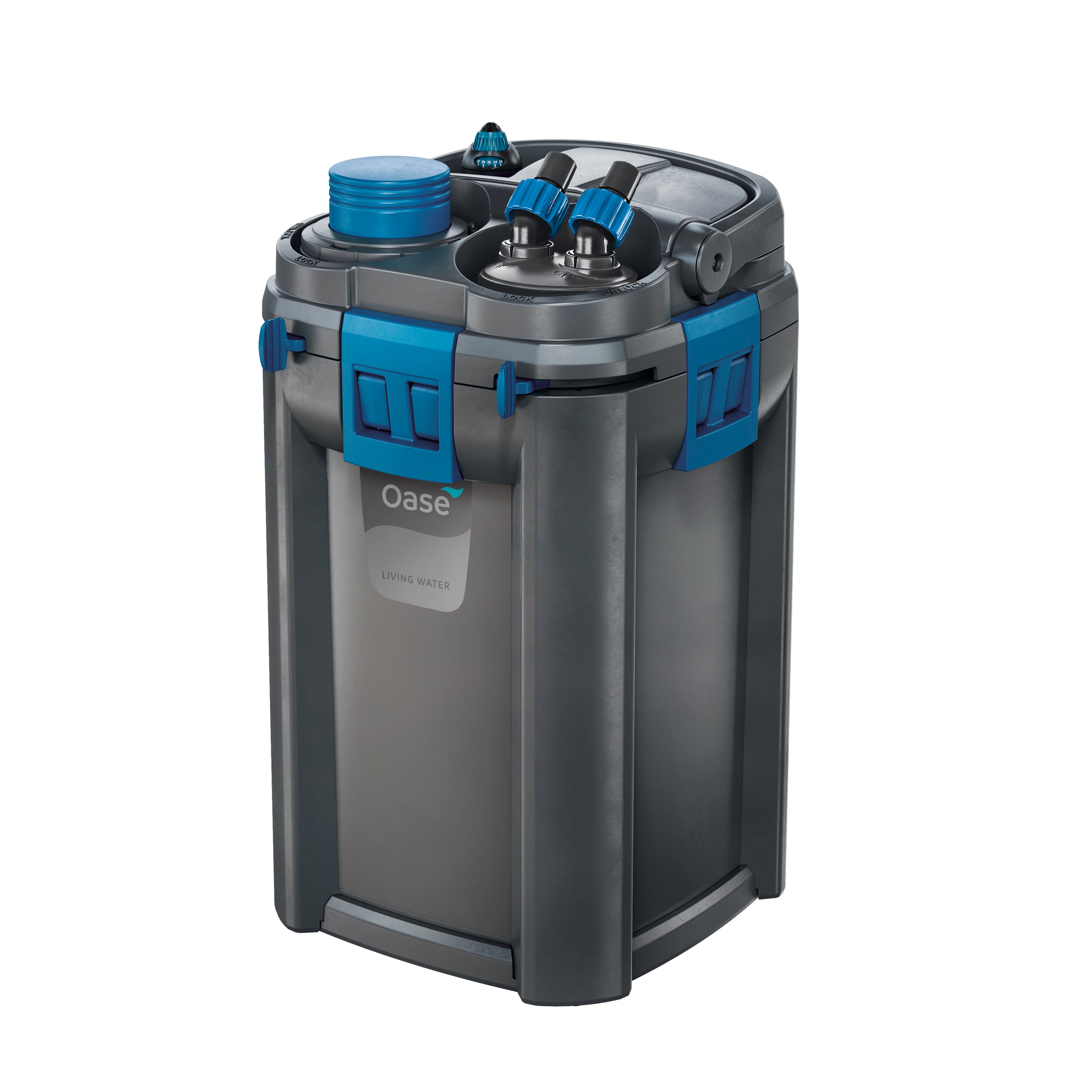
OASE · 1050 L/h · up to 350 L · canister + heater
Oase BioMaster Thermo 350
A German-engineered canister with a built-in 350 W heater and a genuinely clever modular pre-filter you can rinse without ever opening the main canister.
Read the review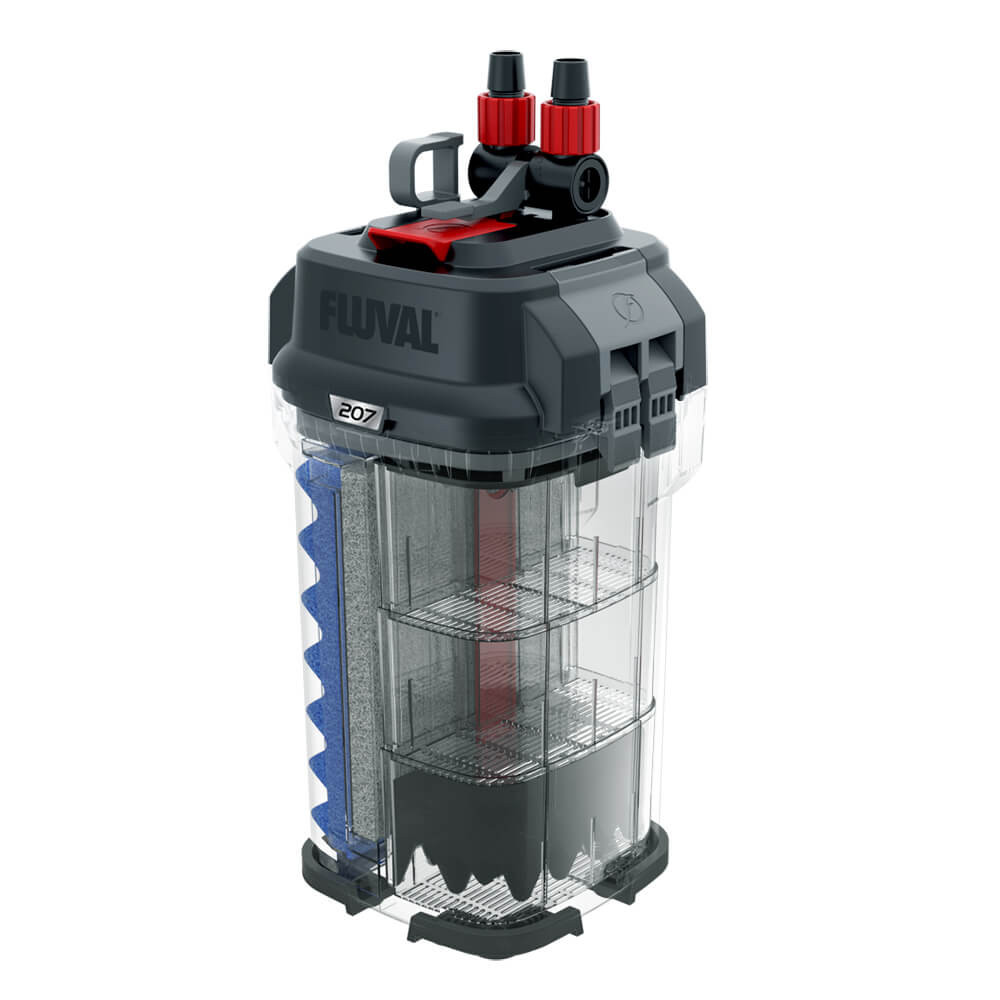
FLUVAL · 780 L/h · up to 220 L · canister
Fluval 207
The small-tank member of Fluval's 07 series: the same quiet pump and EZ-Lift baskets as the 407, sized and priced for a 60–200 L tank. The canister we reach for first on a mid-size setup.
Read the review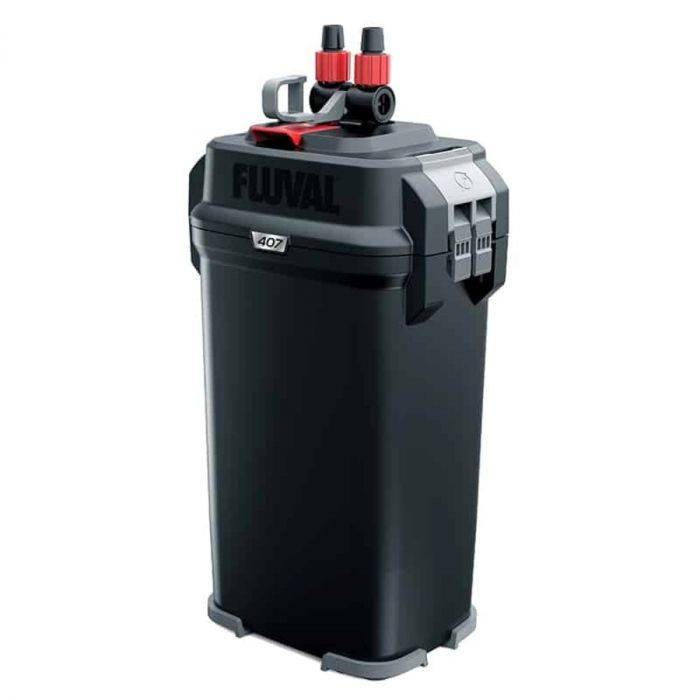
FLUVAL · 1450 L/h · up to 500 L · canister
Fluval 407
The flagship of Fluval's 07 series: a quiet, high-capacity canister with genuinely tool-free maintenance and enough flow for a big planted or community tank.
Read the review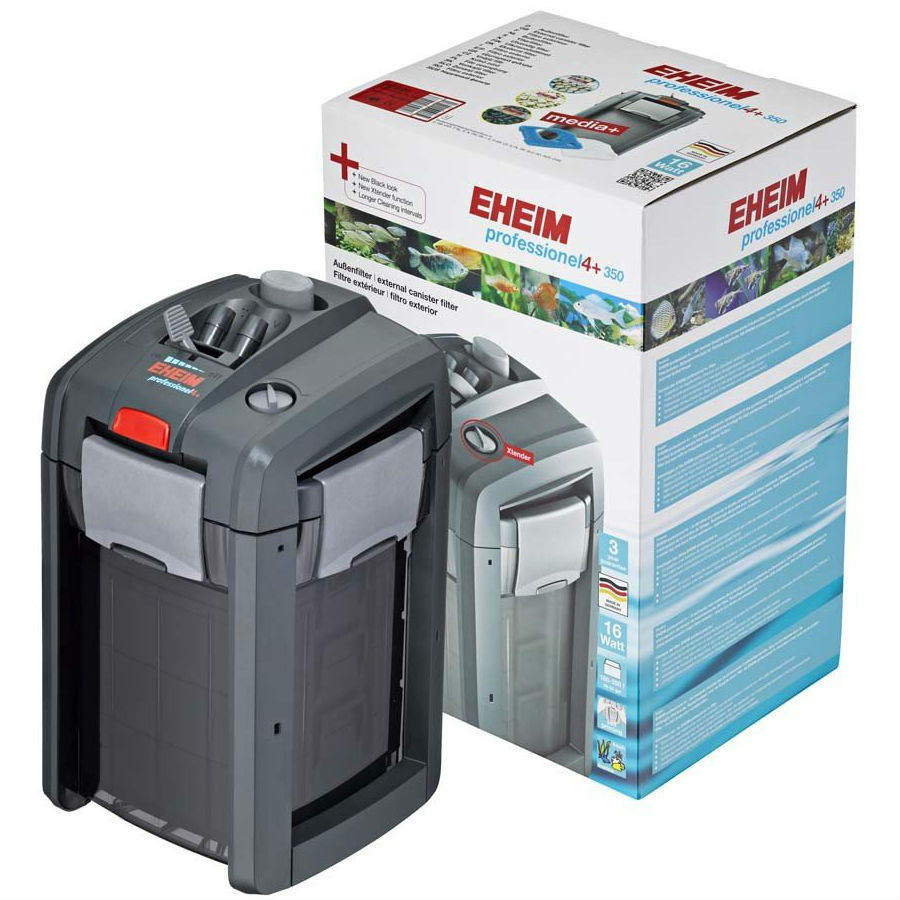
EHEIM · 620 L/h · up to 350 L · canister
Eheim Classic 350 (2215)
The larger Classic: one big media chamber, a near-silent German pump and almost nothing to go wrong. The 2215 is the do-it-forever canister for a big community tank.
Read the review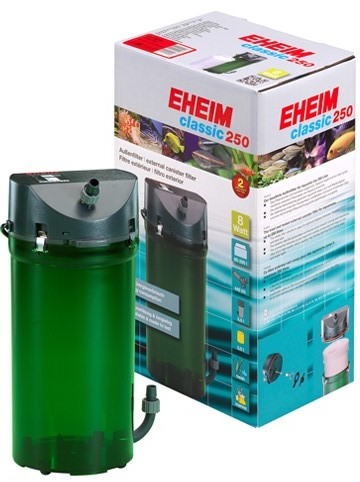
EHEIM · 440 L/h · up to 250 L · canister
Eheim Classic 250 (2213)
The canister that has barely changed since the 1970s because it never needed to — a near-silent, single-chamber workhorse that outlasts almost everything else on the market.
Read the review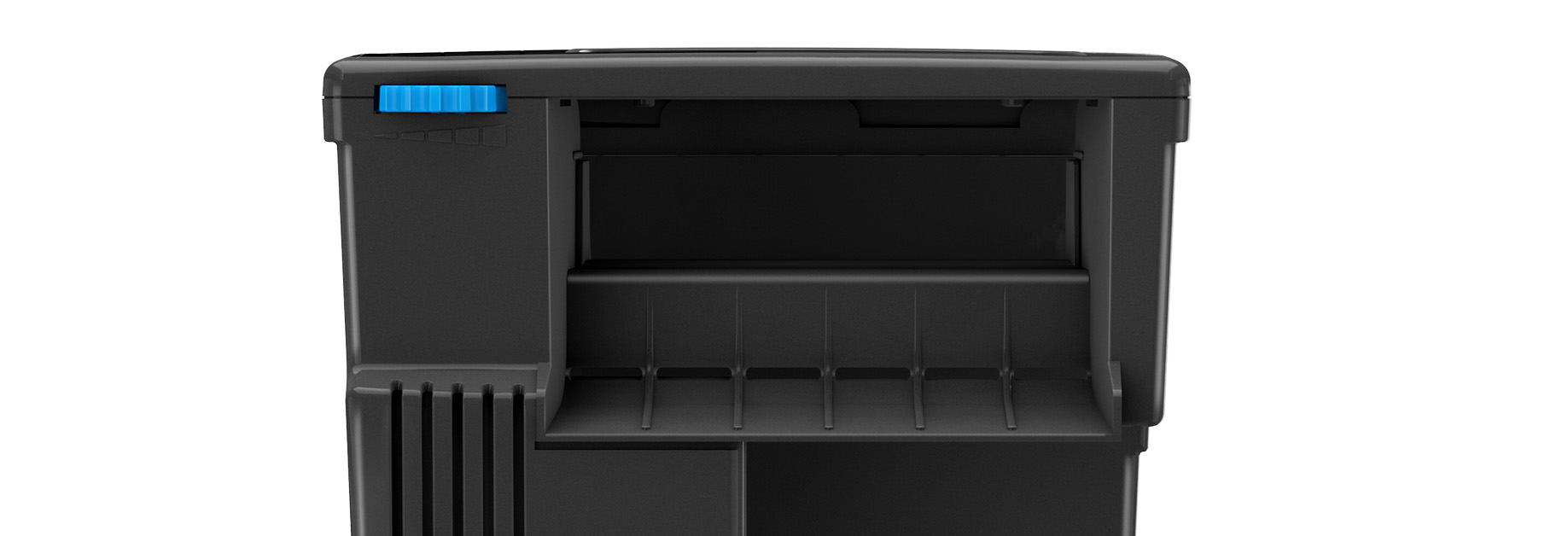
SEACHEM · 900 L/h · up to 200 L · HOB
Seachem Tidal 55
A hang-on-back with a big open media basket, a built-in surface skimmer and a self-priming Sicce pump. It filters like a small canister but hangs on the rim in seconds.
Read the review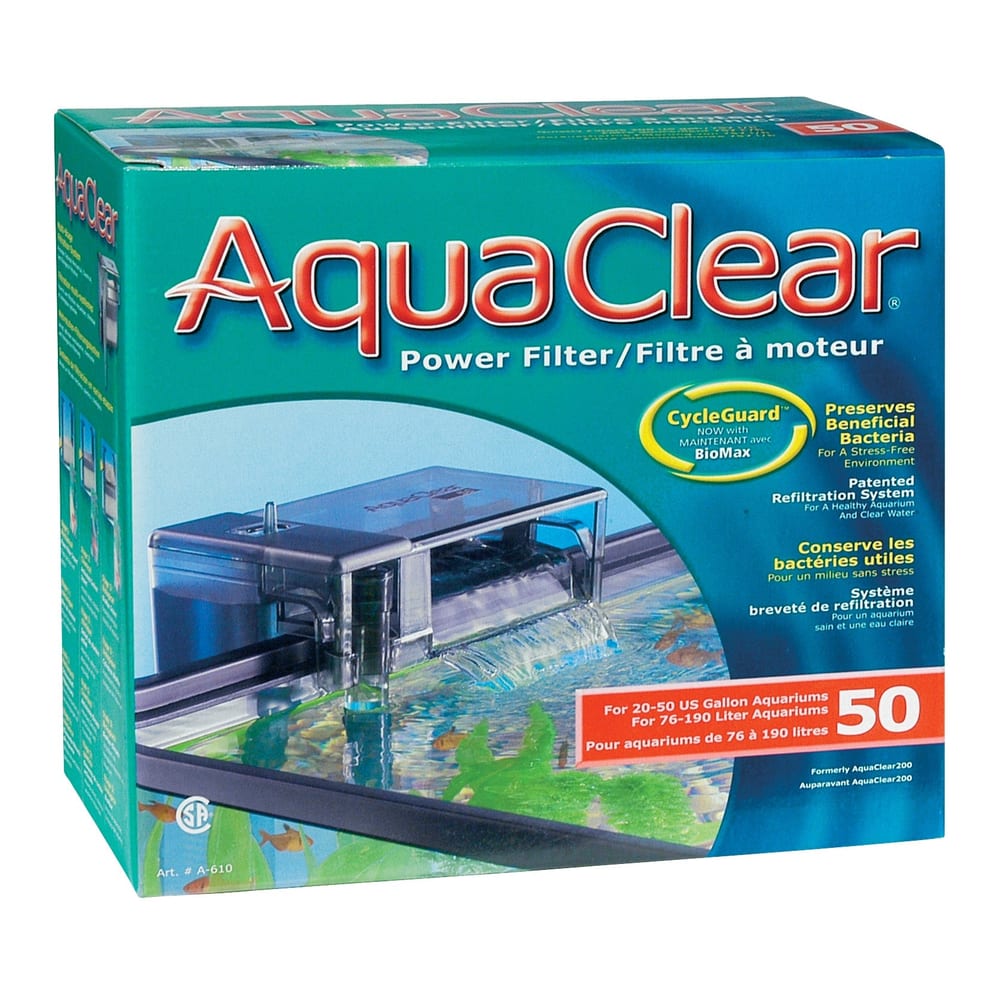
AQUACLEAR · 757 L/h · up to 190 L · HOB
AquaClear 50
The definitive HOB: a big refillable media basket and adjustable flow that let you tune filtration your way, hung on the back of the tank in seconds — no plumbing.
Read the review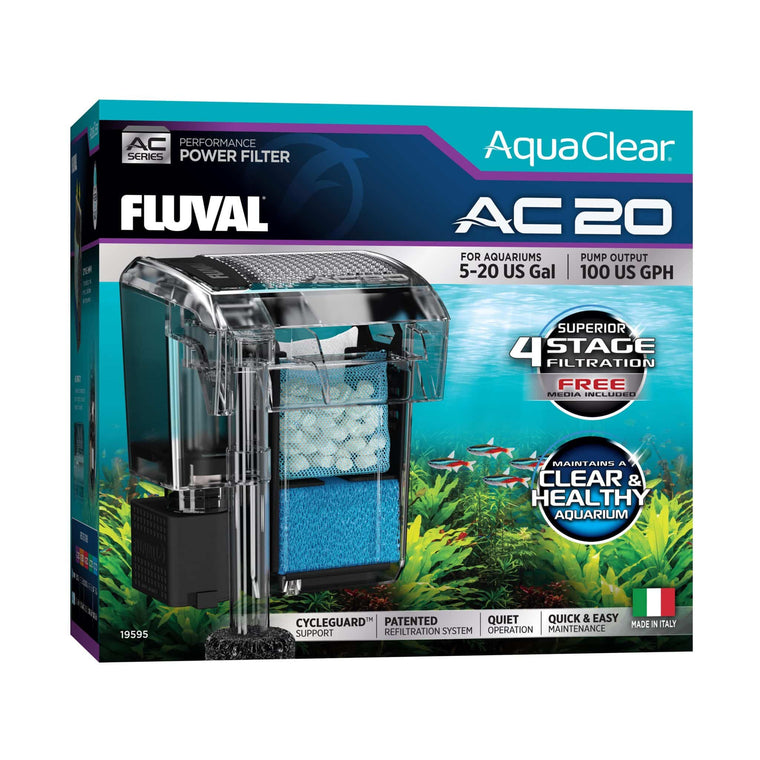
AQUACLEAR · 1136 L/h · up to 265 L · HOB
AquaClear 70
The larger AquaClear: the same refillable basket and adjustable flow that make the 50 so good, scaled up to 1136 L/h for tanks up to 265 L. A HOB that handles a mid-size tank.
Read the review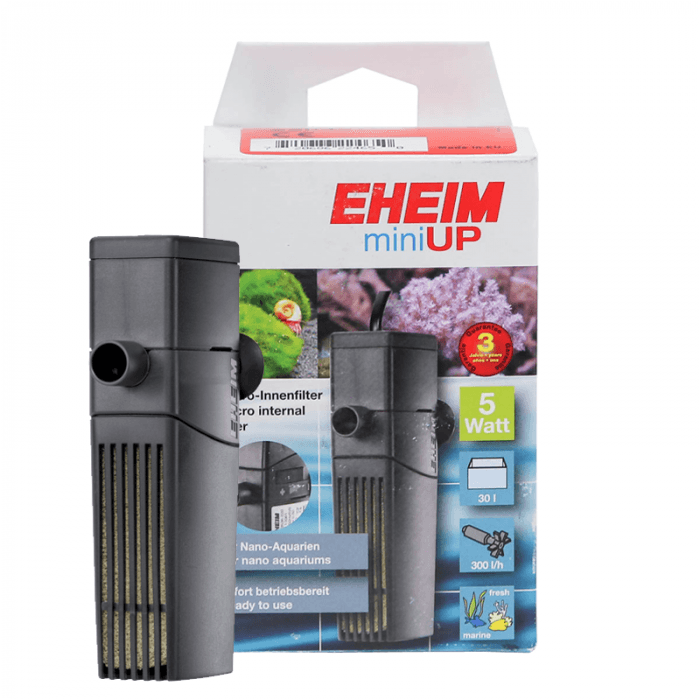
EHEIM · 150 L/h · up to 30 L · nano internal
Eheim Mini-Up
A tiny, whisper-quiet submersible for nano tanks — just 5 W, adjustable output and a footprint small enough to tuck into the corner of a shrimp cube.
Read the review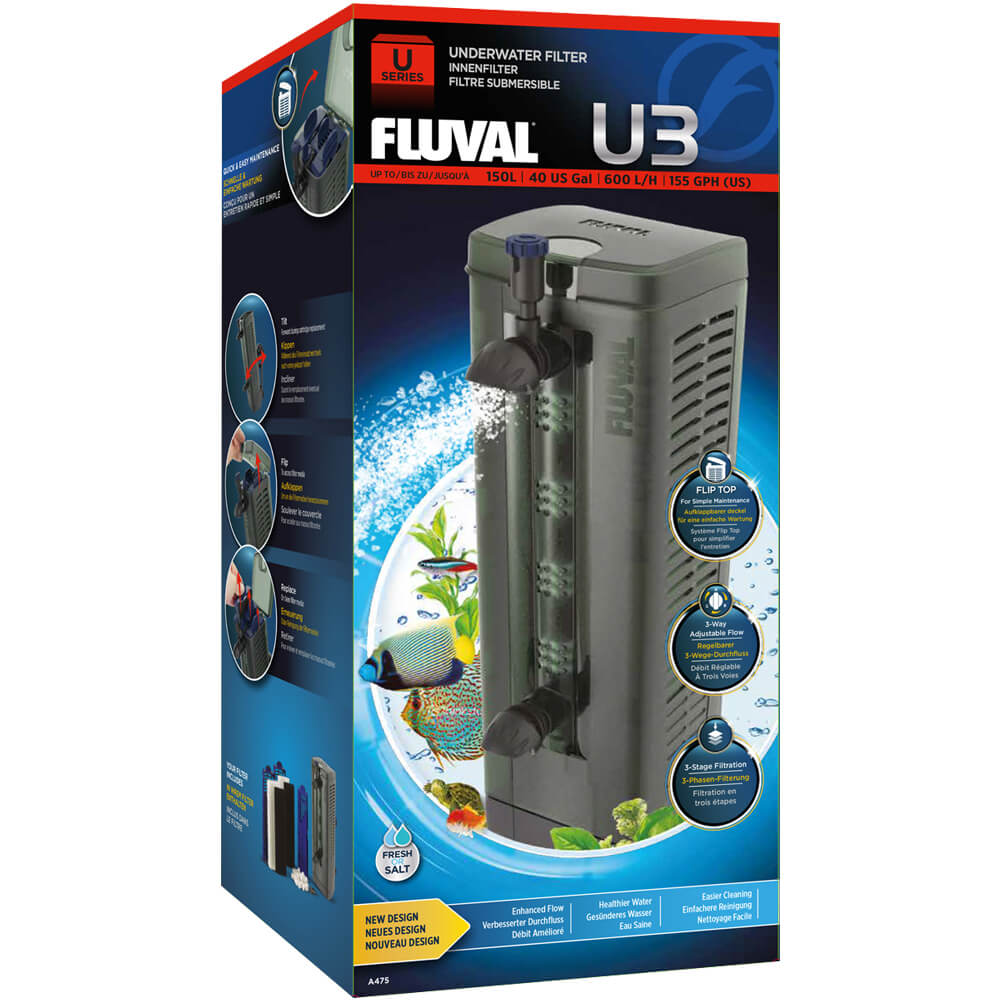
FLUVAL · 600 L/h · up to 150 L · internal
Fluval U3
A capable, fully-submersible internal with adjustable 3-way flow and a flip-top lid that makes it the easiest internal to service — ideal where a canister is overkill.
Read the reviewFound your model? Buy it at the right price.
UniverTrack tracks the real price of your aquarium gear across several retailers, spots fake discounts and warns you when it's genuinely the right moment to buy — with an AI assistant to guide you.
Which one for which need
Filtering a large volume
Flow has to turn the tank over several times an hour. Below that, waste never reaches the filter and settles into the substrate instead.
Matching a tank you already have
The manufacturer's recommended volume is the simplest starting point, as long as you read it as a ceiling rather than a target.
A gentle current
Some species and heavily planted tanks cope badly with strong flow. A moderate or restricted flow avoids flattening plants and exhausting fish.
Who each type suits
- Community tank
- An external filter gives the media volume and the flow that make a tank stable. It is the single piece of equipment that changes an aquarium most.
- Small tank and shrimp
- A sponge filter or a restricted internal model avoids sucking in juveniles. Power is not quality here.
- Heavily planted tank
- Plants consume part of the nitrate, which lightens the filter's workload without replacing it. Biological filtration is still essential.
The trade-offs to weigh
- Flow against current
- High flow filters better and creates a current some species endure rather than enjoy. Aiming the outlet at the glass breaks the current without reducing filtration.
- External against internal
- An external holds far more media, hides in the cabinet and costs more. An internal is simple, visible and saturates quickly.
- Media volume against maintenance
- A large media volume houses more bacteria and clogs more slowly. This is the figure that actually matters, more than the advertised flow rate.
Questions buyers ask
What flow rate do I need?
In practice, several times the tank volume per hour. A heavily stocked tank needs more than a lightly stocked planted one.
Is the manufacturer's recommended volume reliable?
It assumes favourable conditions. Treat it as a maximum: a filter rated for 200 litres suits a 120-litre tank comfortably.
Should I clean the filter media?
Rinse it in water taken out during a water change, never under the tap. Chlorine kills the bacteria doing all the work.
How often should the filter be serviced?
When the flow visibly drops, and never on the same day as a large water change. Two simultaneous disturbances destabilise the bacterial colony.
Can I switch the filter off at night?
Never. Filter bacteria need oxygen constantly; a few hours off kills them and the tank has to cycle again.
Sponge, ceramic or carbon?
Sponge traps particles, ceramic houses bacteria. Carbon adsorbs temporarily and is only really useful for removing a medication.
How do I prime an external filter?
Most have a priming pump; failing that, fill the canister with water before switching on. An external filter must never run dry.
Two small filters or one large one?
Two filters give you redundancy: if one fails, biological filtration does not disappear entirely. They cost more and take up more room.
What to remember
The filter is what decides a tank's stability, and it is the volume of media, more than the advertised flow, that does the work. Never rinse media under the tap, never switch the filter off overnight, and read the recommended volume as a ceiling.