Fluval Plant & Shrimp Stratum Review
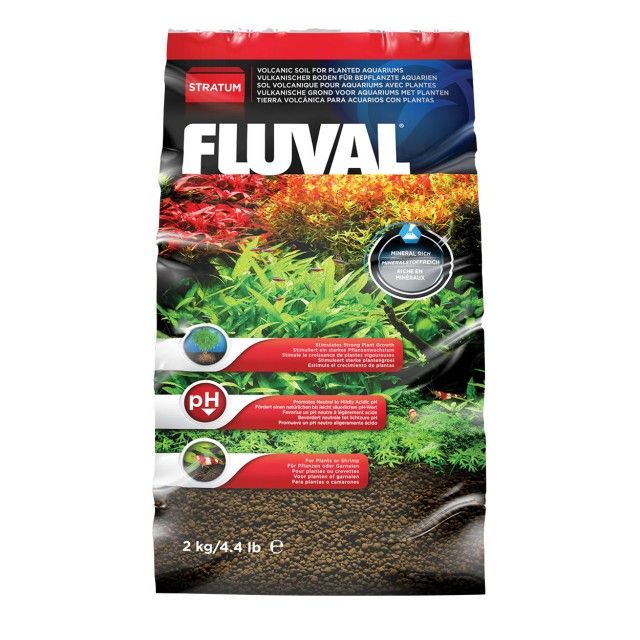
Mineral-rich volcanic soil from Japan's Mount Aso that feeds plant roots and holds water in the neutral-to-slightly-acidic range shrimp love — the easiest, best-value entry into an active substrate.
🌍 You'll be sent to Amazon in your country. Indicative price — live, localised pricing coming soon. As an Amazon Associate we earn from qualifying purchases.
👍 Pros
- Porous volcanic granules give roots a huge surface to colonise — plants establish fast
- Gently buffers toward neutral-to-slightly-acidic pH, ideal for Caridina and Neocaridina shrimp
- Complete substrate: it goes straight in, no gravel cap needed
- Far cheaper than premium soils while performing close to them in a low-tech tank
👎 Cons
- Light granules cloud the water if disturbed and are easily vacuumed up by accident
- Buffering is milder and shorter-lived than a premium soil like ADA Amazonia — plan on re-mineralising after a year or two
- Leaches some ammonia when new, so cycle fully before adding livestock
Why an active soil, and why this one
Most beginners start with gravel and wonder why their plants sulk. The fix is an active soil, and the Fluval Plant & Shrimp Stratum is the friendliest place to begin. It is mined from the volcanic foothills of Mount Aso in Japan, and each porous granule does two useful things at once: it holds nutrients against plant roots, and it gently buffers the water toward the neutral-to-slightly-acidic range that dwarf shrimp and most stem plants prefer.
Because it is a complete substrate, there is nothing to layer — it goes straight into a clean tank at roughly a 5–8 cm depth for planting. Roots grow directly into it, which is exactly why you should never cap it with sand.
Living with it
Two quirks are worth knowing. First, the granules are light: disturb them during a water change and the tank clouds for an hour, and a careless gravel vacuum will hoover them up. Second, like any fresh active soil it leaches a little ammonia in the first couple of weeks, so run a full cycle before adding livestock. After that it is genuinely low-maintenance. Its buffering is milder and shorter-lived than a premium soil, so after a year or two you top up with root tabs and liquid ferts rather than replacing it.
How it compares
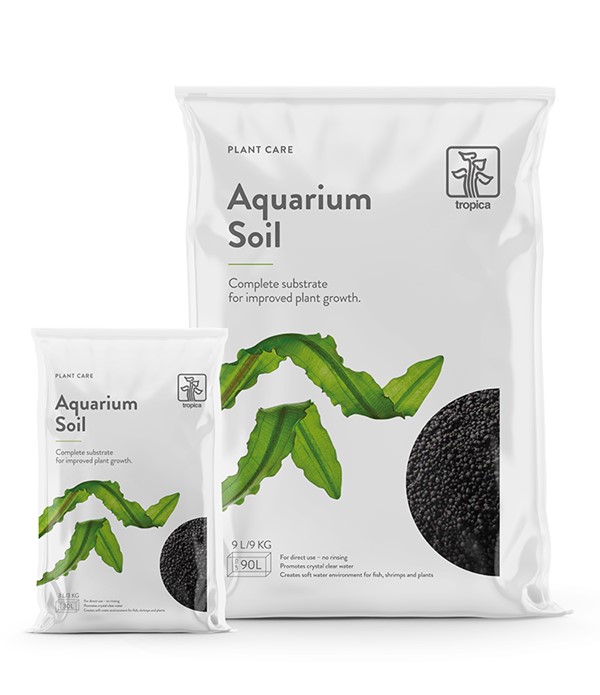
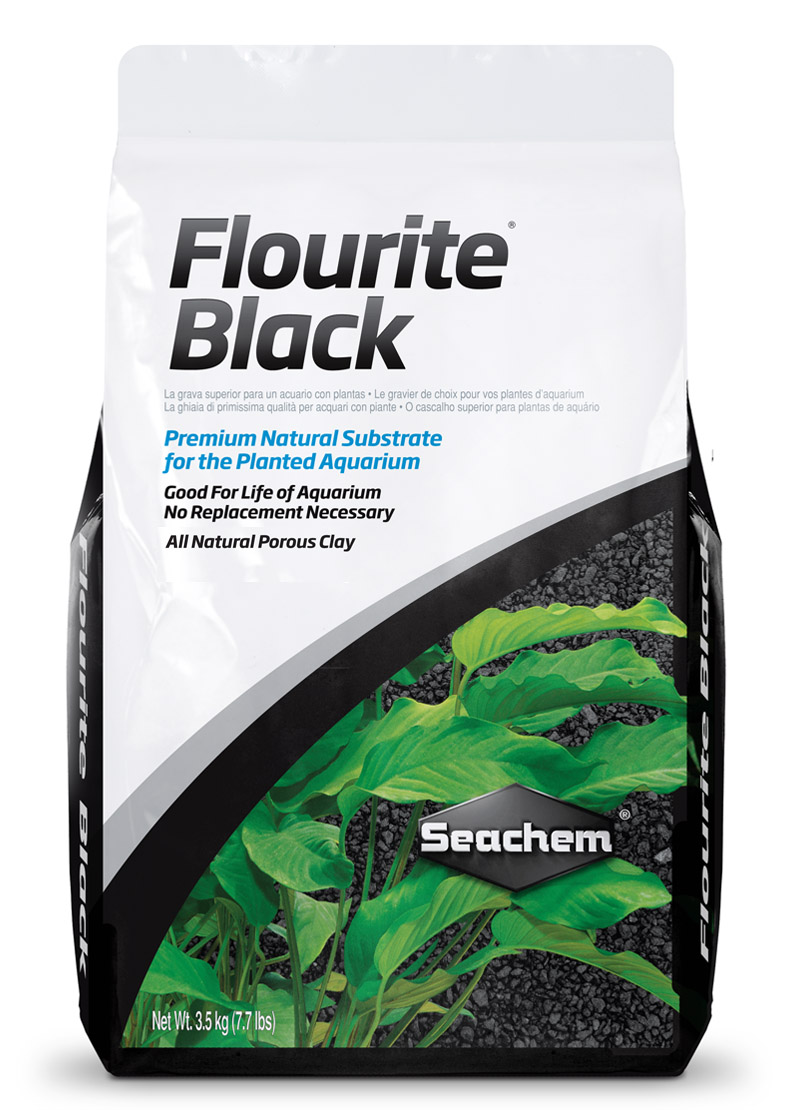
If you want the strongest buffering and richest nutrient load for a high-tech, CO2-injected aquascape, the Tropica Aquarium Soil is the step up. Prefer an inert base that never needs replacing? Look at CaribSea Eco-Complete. For the full line-up and how substrate fits the rest of a planted build, see our aquarium substrate hub and pair it with a CO2 system if you are going high-tech.
The best-value active soil for a first planted or shrimp tank: it does the important jobs — feeding roots and softening the water — at a fraction of the price of the premium names.
Fluval Plant & Shrimp Stratum — frequently asked questions
What is the difference between active soil and inert gravel?
An active soil like Stratum chemically changes your water — it feeds roots and softens the water toward a slightly acidic pH. Inert substrates (sand, natural gravel) do neither; they are just a base and need root tabs to feed heavy plants. Choose soil for a planted or shrimp tank, inert for fish-only.
Do I need to cap Fluval Stratum with sand or gravel?
No. Stratum is a complete substrate designed to be used on its own, unlike a mineralised base layer that you would cap. Capping it defeats the purpose, since roots need to grow directly into the granules to reach the nutrients.
How long does it last before it stops working?
The physical granules last for years, but the nutrient charge and pH buffering fade over roughly one to two years. When plants slow down, top up with root tabs and an all-in-one liquid fertiliser rather than tearing the tank down.
Found your model? Buy it at the right price.
UniverTrack tracks the real price of your aquarium gear across several retailers, spots fake discounts and warns you when it's genuinely the right moment to buy — with an AI assistant to guide you.
More substrate we recommend