NilocG Intense Inline CO2 Atomizer Review
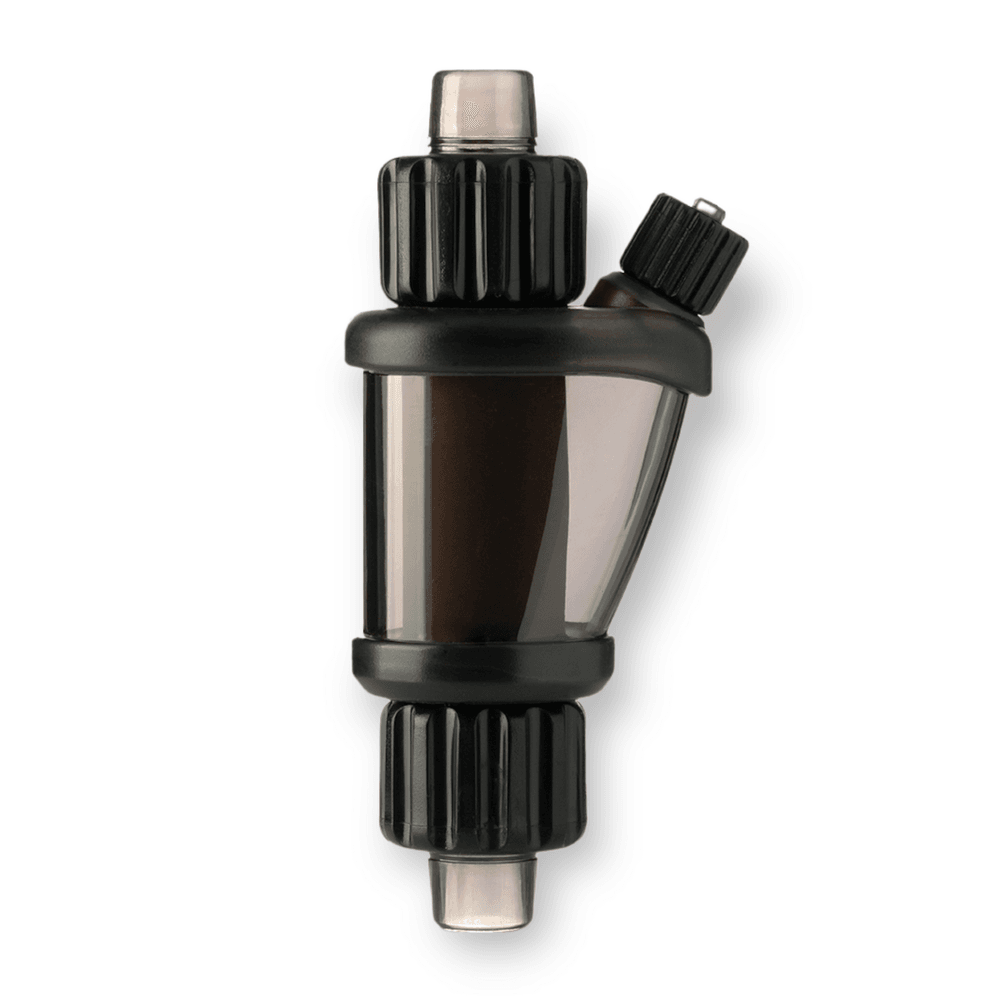
An inline atomizer that plumbs into a canister's return line and breaks CO2 into a near-invisible sub-0.1 mm mist — cleaner dissolution and no glass diffuser cluttering the tank.
🌍 You'll be sent to Amazon in your country. Indicative price — live, localised pricing coming soon. As an Amazon Associate we earn from qualifying purchases.
👍 Pros
- Produces an ultra-fine mist (bubbles under 0.1 mm) for near-total CO2 dissolution
- Mounts inline on the canister's return hose, so there is no diffuser inside the tank
- Ceramic membrane spreads CO2 through the return flow, feeding plants evenly across the tank
- Cheap, and a big upgrade over a basic glass diffuser on mid-to-large setups
👎 Cons
- Needs a canister filter — no use on a tank without pressurised return plumbing
- Requires at least ~30 PSI, so it must run off a proper regulator, not DIY CO2
- Ceramic needs a periodic bleach-solution soak or the mist coarsens over time
Why an inline atomizer beats a glass diffuser
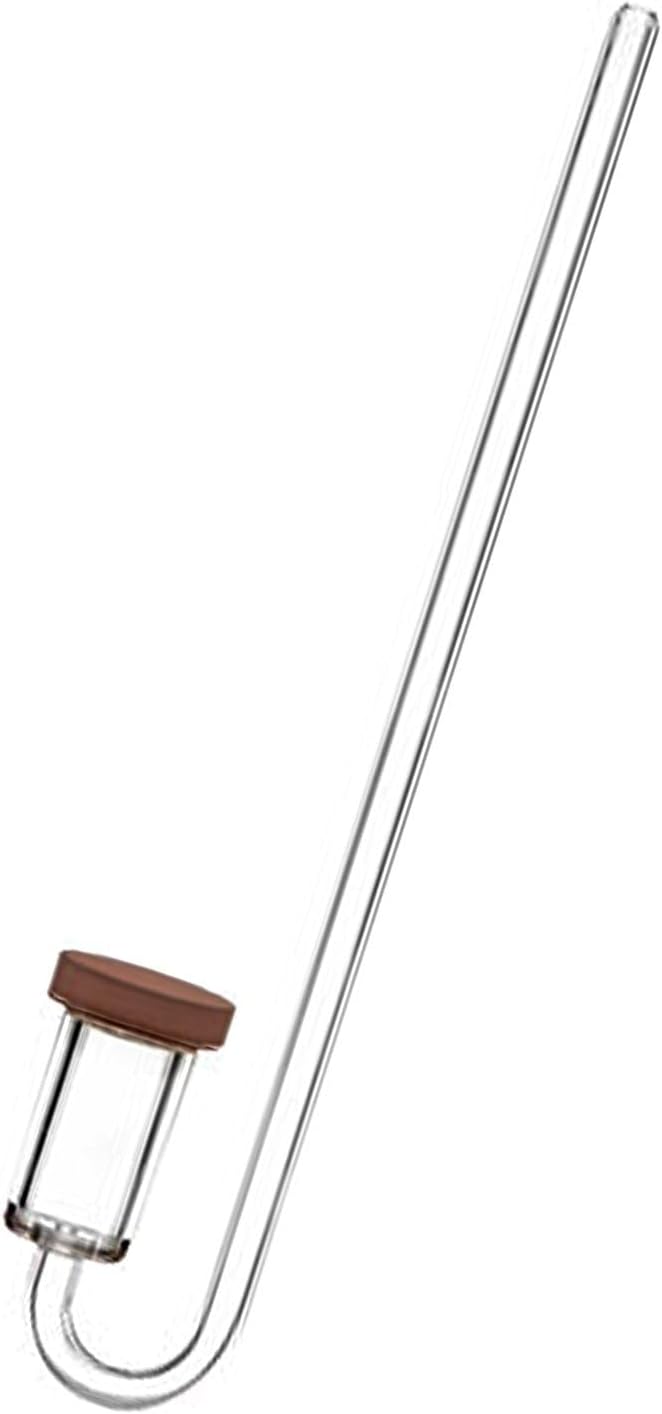
A glass ceramic diffuser sits inside the tank and releases bubbles that partly rise and escape at the surface before dissolving. The NilocG Intense instead plumbs into your canister filter’s return hose, so CO2 is injected as a sub-0.1 mm mist directly into the pressurised flow. That mist has the full length of the pipe and the tank’s circulation to dissolve into, giving close to complete uptake — and it leaves the inside of the tank clear, which aquascapers love.
What it needs to work
Two requirements matter. First, a canister filter with 12/16 mm tubing to mount it inline. Second, real pressure: the ceramic needs at least ~30 PSI, so this only works on a pressurised system with a proper regulator — never DIY or liquid carbon. Use high-pressure, acid-resistant tubing rather than soft silicone, and give the ceramic a bleach-solution soak every few months so the mist stays fine.
How it fits with our other CO2 picks
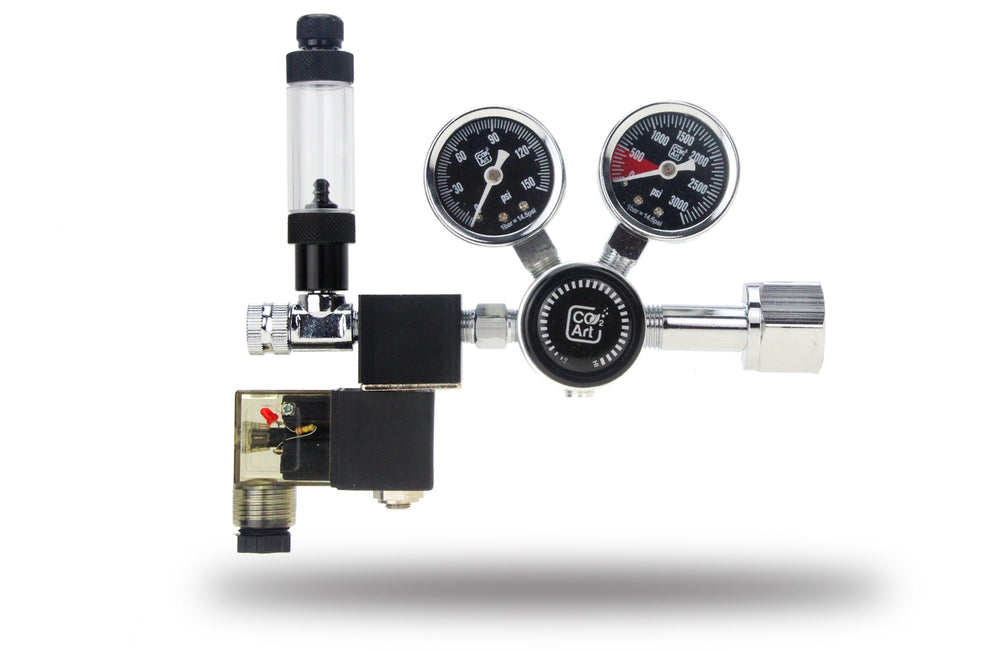
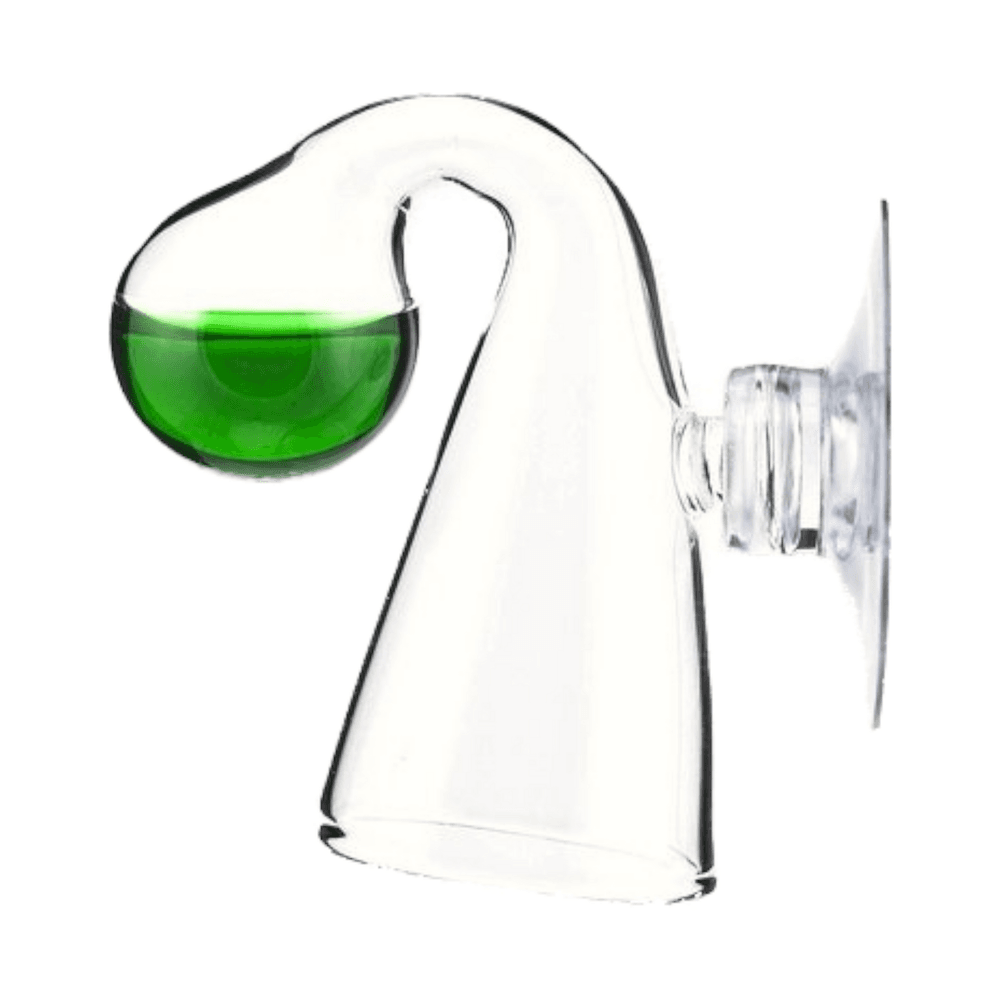
Pair the atomizer with a stable regulator like the CO2Art Pro-SE to hit the pressure it needs, and always confirm the in-tank level with a NilocG glass drop checker. If you do not run a canister, a kit with a glass diffuser such as the FZONE compact CO2 kit is the simpler path. Explore the full range on our CO2 systems hub, and dial in the rest of the tank via the lighting and plant fertilizer hubs.
The cleanest way to dissolve CO2 on a canister-filtered tank: a fine mist, nothing inside the glass, and a real dissolution upgrade over a basic diffuser — provided you already run a pressurised regulator.
NilocG Intense Inline CO2 Atomizer — frequently asked questions
Inline atomizer vs a glass diffuser — which dissolves CO2 better?
An inline atomizer generally wins on larger tanks: it injects CO2 into the pressurised return line, so the mist has the whole hose and tank to dissolve into, and nothing sits inside the glass. A glass diffuser is simpler and fine for small tanks but wastes more gas as visible bubbles rise to the surface.
Do I need a solenoid and drop checker with this?
Yes — treat the atomizer as one part of a pressurised system. Run your regulator's solenoid on a timer (CO2 on ~1 hour before lights, off ~1 hour before lights-out) and hang a drop checker with 4dKH solution to confirm a safe, lime-green level. The atomizer only disperses the gas; the solenoid and drop checker keep it controlled.
Will this work with DIY or liquid carbon?
No. It needs at least ~30 PSI to push CO2 through the ceramic, which only a pressurised regulator delivers. DIY yeast CO2 cannot reach that pressure, and liquid carbon is a dosed liquid, not a gas — neither works with an atomizer.
Found your model? Buy it at the right price.
UniverTrack tracks the real price of your aquarium gear across several retailers, spots fake discounts and warns you when it's genuinely the right moment to buy — with an AI assistant to guide you.
More co2 systems we recommend