The best CO2 diffusers and atomizers for planted tanks in 2026
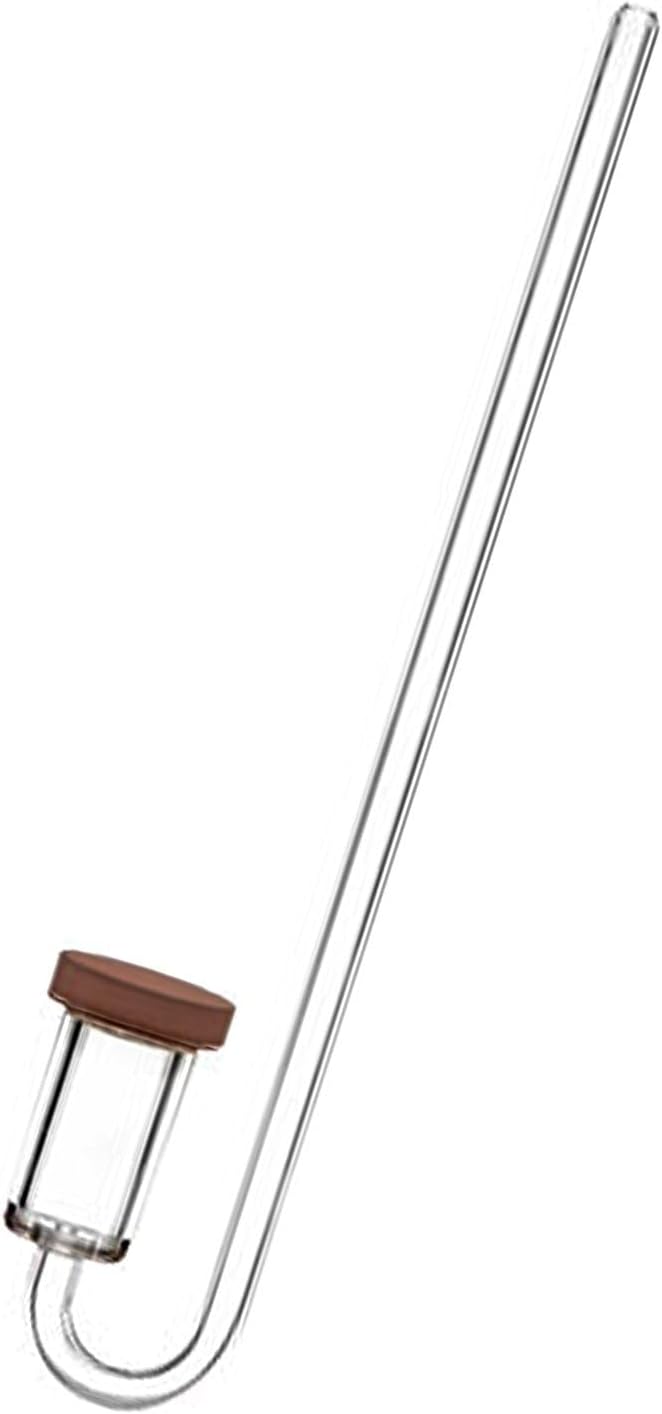
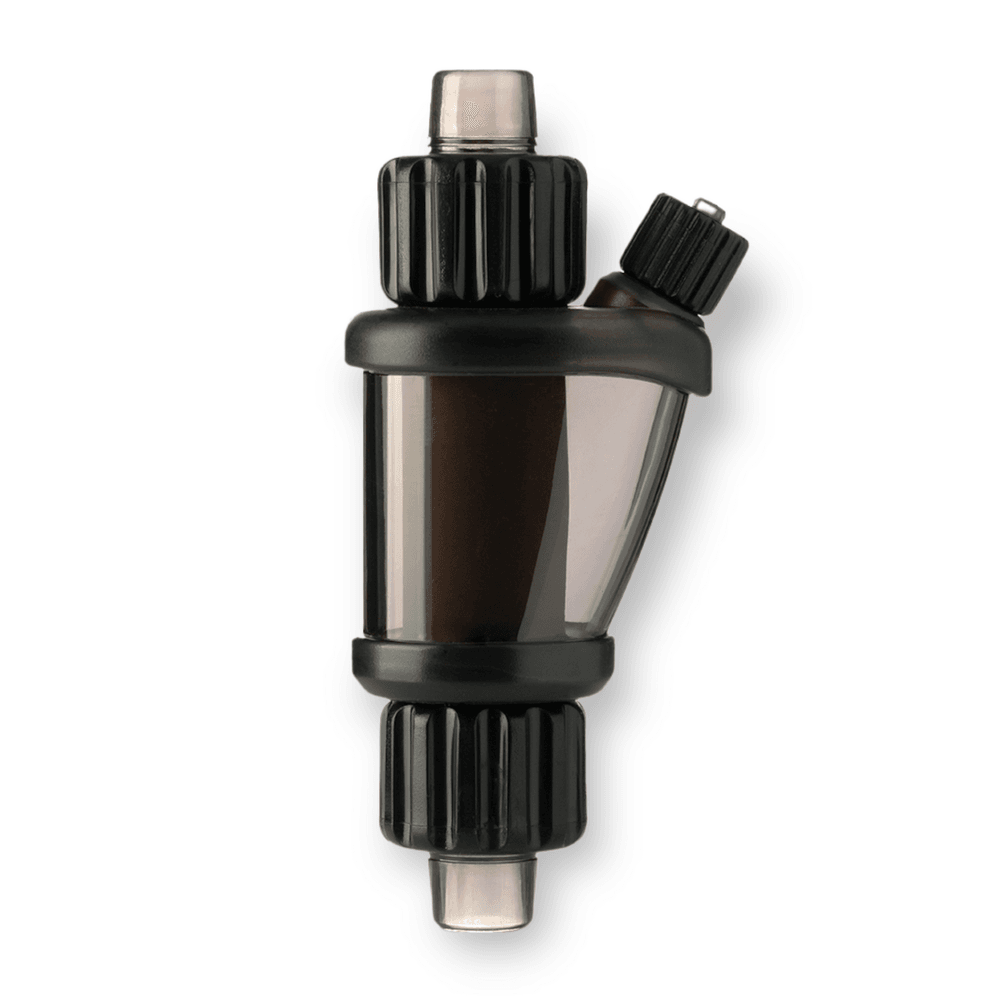
A diffuser is the last step that turns pressurised gas into dissolved carbon — and the finer the mist, the more CO2 dissolves before it escapes. Choose an in-tank ceramic diffuser for simplicity, or an inline atomizer that plumbs into a canister's return line and leaves nothing visible in the tank. All need a proper regulator behind them.
- 1
- 2
- 3
Frequently asked questions
Diffuser or inline atomizer — which should I use?
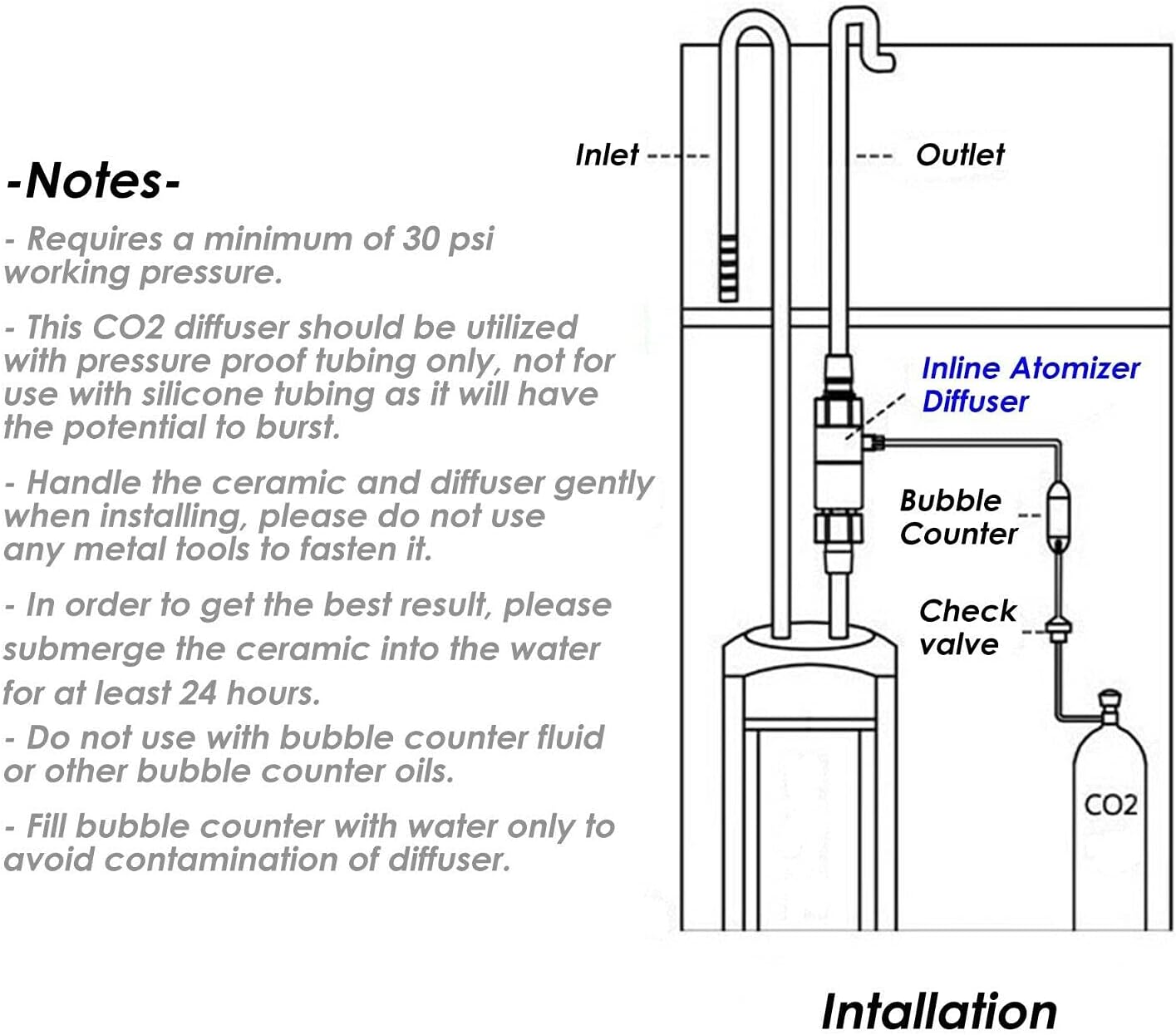
An in-tank diffuser like the Aquario Neo is simple to fit and works on any tank, but it puts a visible curtain of mist in the water. An inline atomizer injects CO2 into a canister filter's return line, so nothing shows in the display — cleaner-looking, and often better dissolution on larger tanks, but only an option if you run an external filter. Choose by whether you want the mist visible.
Why does a finer mist matter?
Smaller CO2 bubbles have more surface area and stay in the water longer before reaching the surface, so more of the gas dissolves instead of escaping. A diffuser or atomizer that throws a genuinely fine mist lets you hit your target in-tank CO2 level at a lower bubble rate — less gas wasted and a more stable, efficient setup.
How do I keep a diffuser working well?
The ceramic slowly clogs with mineral and organic gunk, and the mist coarsens or the pressure needed climbs. Every few months, soak the diffuser or atomizer core in a bleach or dedicated cleaning solution, rinse thoroughly and dechlorinate before it goes back. A clean ceramic is the difference between a fine mist and a lazy stream of big bubbles.
Found your model? Buy it at the right price.
UniverTrack tracks the real price of your aquarium gear across several retailers, spots fake discounts and warns you when it's genuinely the right moment to buy — with an AI assistant to guide you.