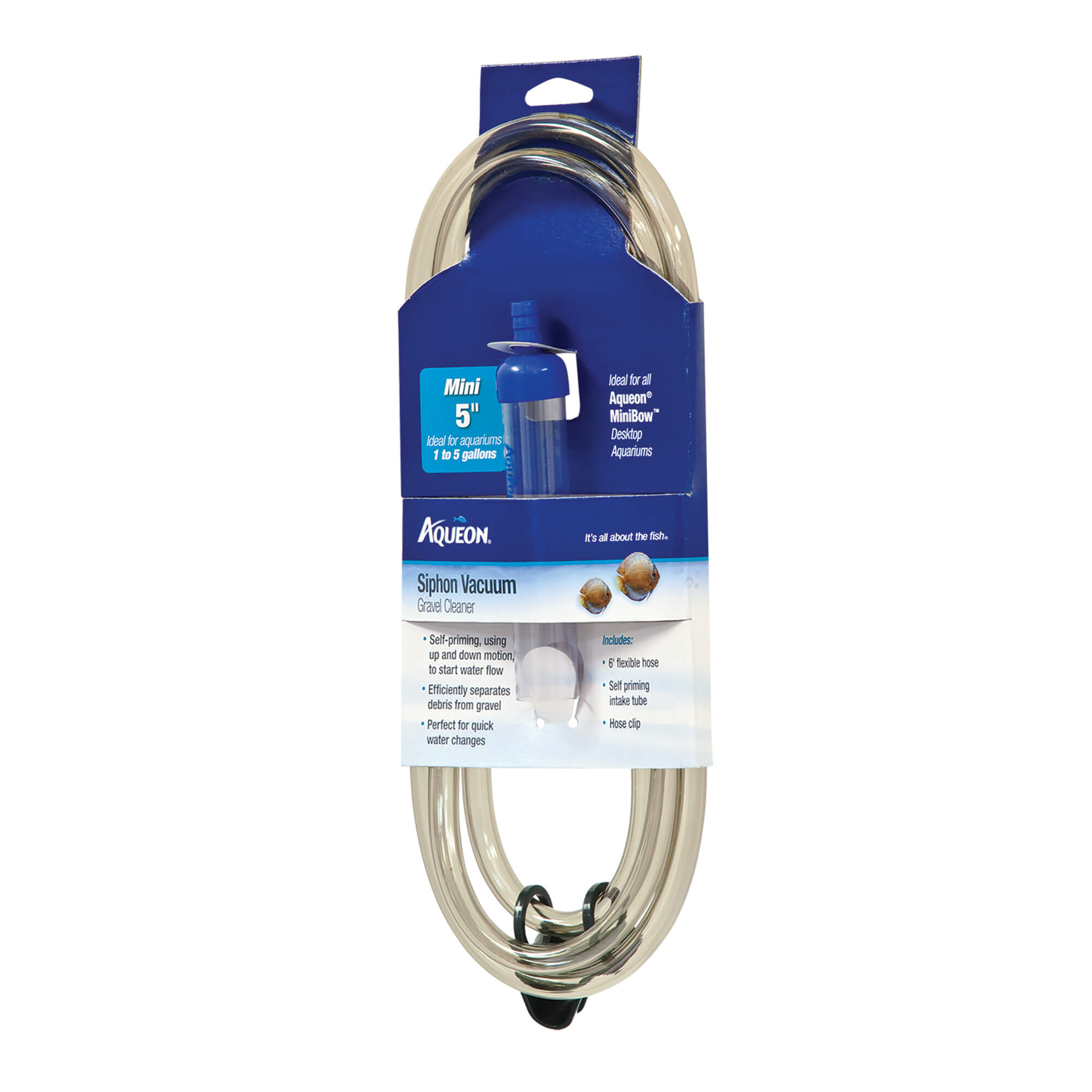
Siphon Vacuum Gravel Cleaner (Medium, 9 in) Review
A self-priming bucket siphon that vacuums the gravel while it drains — the cheapest tool that genuinely improves water quality, and the right pick for any tank you can still change with a bucket.
🌍 You'll be sent to Amazon in your country. Indicative price — live, localised pricing coming soon. As an Amazon Associate we earn from qualifying purchases.
👍 Pros
- Self-priming — a few up-and-down strokes start the siphon, no mouth-siphoning or squeeze bulb needed
- Vacuums detritus out of the gravel while draining, exporting the gunk that becomes nitrate
- 6 ft hose reaches a bucket on the floor; comes in five sizes for different tanks
- Costs about the price of a bag of food and lasts for years
👎 Cons
- You still carry buckets — fine for a 60–120 L tank, tedious for a big one
- The wide 9 in tube can lift light sand if you are not careful; hover it just above sand beds
- Priming can need a firmer pump if the hose has air pockets
The cheapest upgrade to your water quality
A gravel vacuum is the tool that turns a water change into a cleaning. As you siphon the tank down, you drive the wide tube into the substrate and lift out the settled fish waste, uneaten food and mulm that would otherwise rot into nitrate. Pairing that with your weekly 25–30% water change is the single most effective thing you can do for a tank — and this Aqueon does it for about the price of a takeaway coffee.
Technique matters more than the tool
The trick is control. On gravel, plunge the tube in and let the stones tumble back while the lighter gunk rises up the hose. On sand, do the opposite — hover just above the surface. Clear a third to a half of the bed each week and rotate, so you are not disturbing the whole tank at once. The medium 9-inch tube suits 60–130 L tanks; Aqueon sells narrower and wider versions for nanos and big tanks.
When to move up
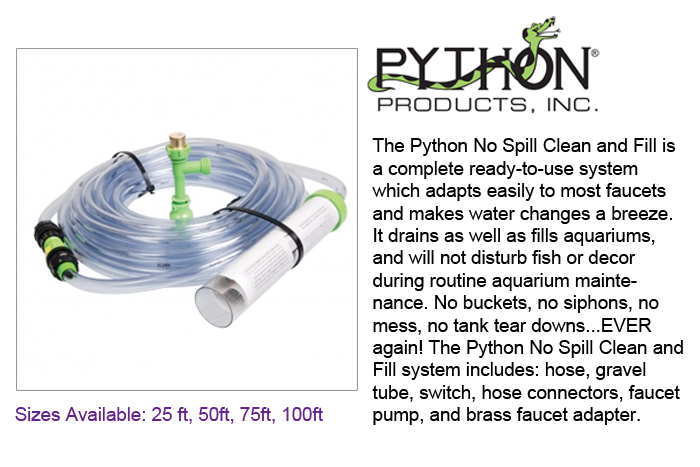
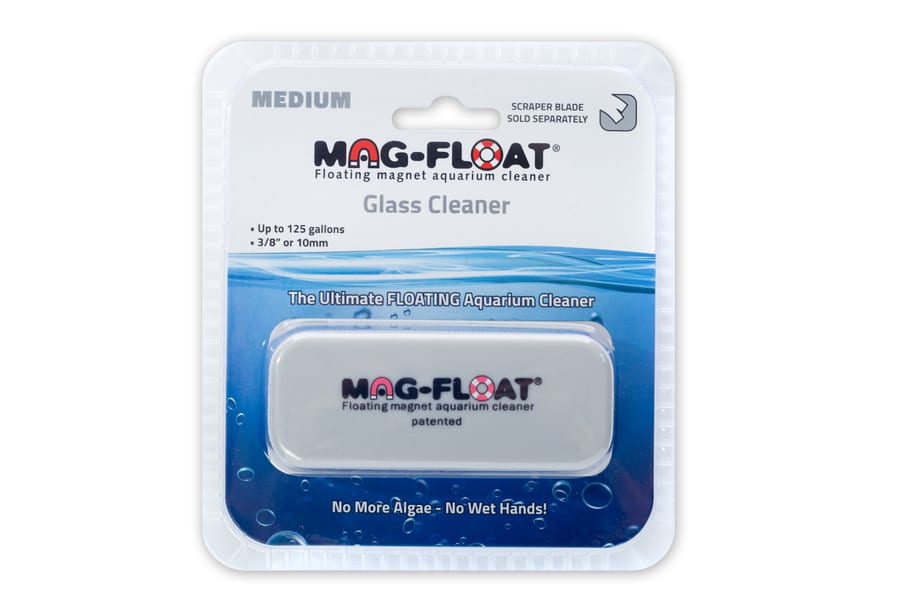
A bucket siphon is perfect until the buckets get heavy. Once you are running a tank much over ~130 L, or you dislike lugging water, a hose-fed Python No Spill Clean & Fill does the same job without buckets. Keep the glass clear with the Mag-Float 125, and track nitrate with a kit from the water testing hub. More tools sit on the aquarium maintenance hub; match filtration on the filters hub.
The cheapest tool that genuinely improves water quality. On a tank up to ~130 L a self-priming siphon plus a bucket is all you need; step up to a hose-fed changer only when the buckets get heavy.
Siphon Vacuum Gravel Cleaner (Medium, 9 in) — frequently asked questions
How do I vacuum gravel without draining half the tank?
Push the wide tube down into the gravel so debris lifts up the tube while the heavier gravel tumbles back. Work one patch at a time, and pinch or lift the hose to pause flow when you have cleared a section. You only need to cover a third to a half of the bed each week — rotate areas — and you time it so the water you remove is your 25–30% change.
Will it suck up my sand or my fish?
On sand, hover the tube an inch above the surface so it pulls the light detritus off the top without swallowing the sand; the wide medium tube is more forgiving here than a narrow one. Fish and shrimp are quick enough to avoid the intake, but keep an eye out and cap the hose end with your thumb if a curious nano-fish gets close.
Is a gravel vacuum really necessary if I have a good filter?
Yes — they do different jobs. The filter processes water; the gravel vac physically removes the solid waste that settles in the substrate before it breaks down into nitrate. Doing it as part of your weekly 25–30% water change is the highest-value ten minutes in the whole hobby.
Found your model? Buy it at the right price.
UniverTrack tracks the real price of your aquarium gear across several retailers, spots fake discounts and warns you when it's genuinely the right moment to buy — with an AI assistant to guide you.
More maintenance we recommend