Flipper Standard 2-in-1 Review
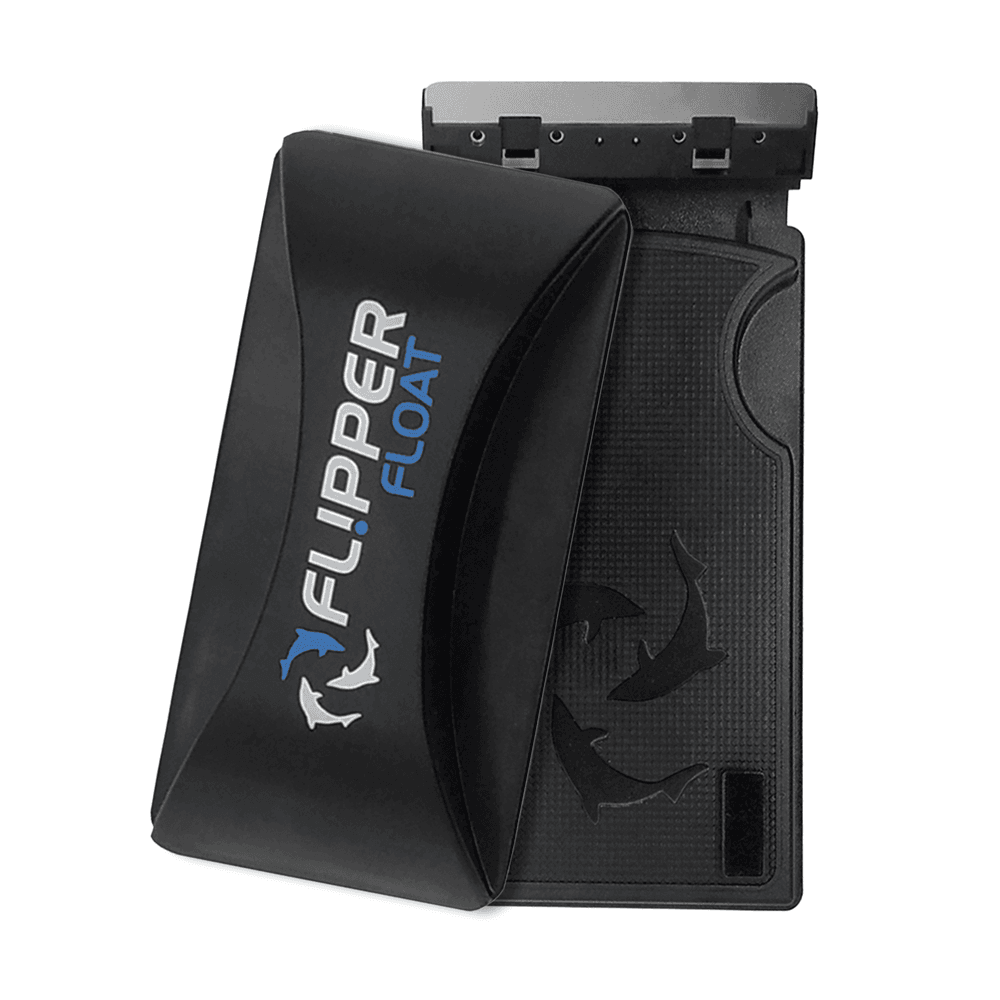
A 2-in-1 magnet that flips from felt scrubber to stainless blade with a twist of the handle — for the hard, crusty spot algae a plain felt magnet slides straight over.
🌍 You'll be sent to Amazon in your country. Indicative price — live, localised pricing coming soon. As an Amazon Associate we earn from qualifying purchases.
👍 Pros
- Flips from felt scrubber to stainless blade with a twist of the handle — two tools in one
- The steel blade shears off hard spot algae and coralline a felt pad slides over
- Floats to the surface if it separates, so you fish it out instead of diving for it
- Ships with a plastic blade for acrylic and a steel blade for glass
👎 Cons
- Pricier than a plain magnet, and overkill if you only ever get soft green film
- The blade demands care — a grain of grit or the wrong blade on acrylic will scratch
- Bulkier than a Mag-Float, so it is fiddlier in the corners of a nano
When a felt magnet is not enough
A floating felt magnet handles soft green film beautifully, but every keeper eventually meets the hard, crusty spot algae — or, in marine tanks, coralline — that a pad just slides over. The Flipper Standard solves it by putting two tools in one body: a felt scrubber on one face and a stainless steel blade on the other. Twist the handle and it flips between them, so you scrub the routine film and then shear off the stubborn spots without ever getting your sleeves wet.
Two blades, and a rule about grit
It ships with both a steel blade for glass and a plastic blade for acrylic — fit the right one, because steel will ruin an acrylic pane. The universal magnet-cleaner rule applies double with a blade: keep it away from the sand line so it cannot trap a grain of grit, which is what scratches glass. Rated for panes up to 12 mm (1/2 in), it suits most glass tanks.
Where it sits in the routine
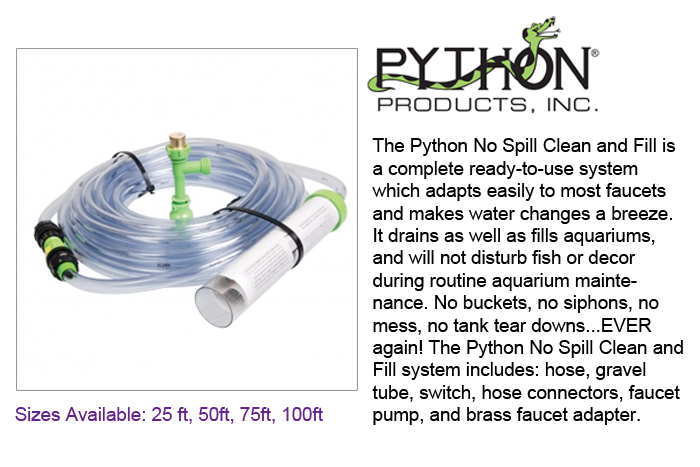
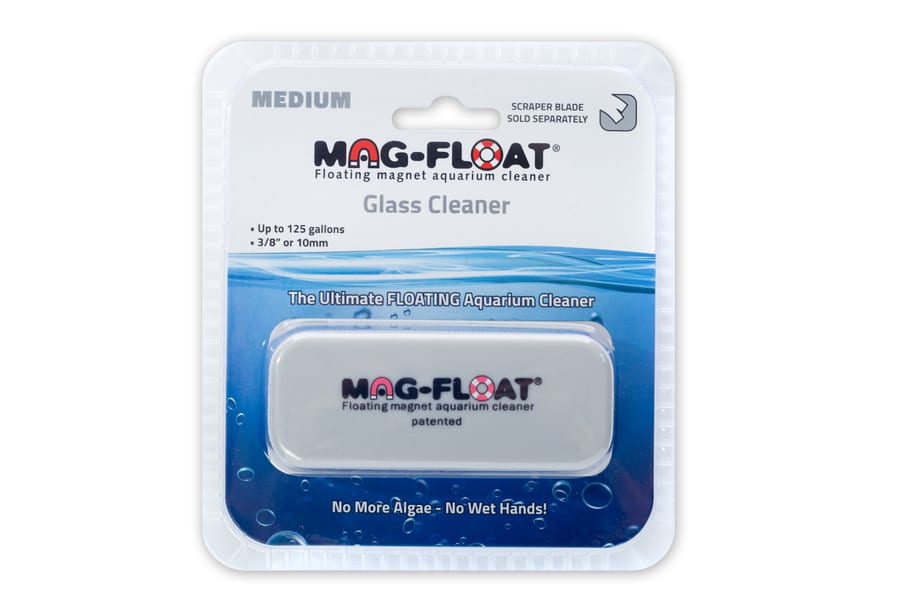
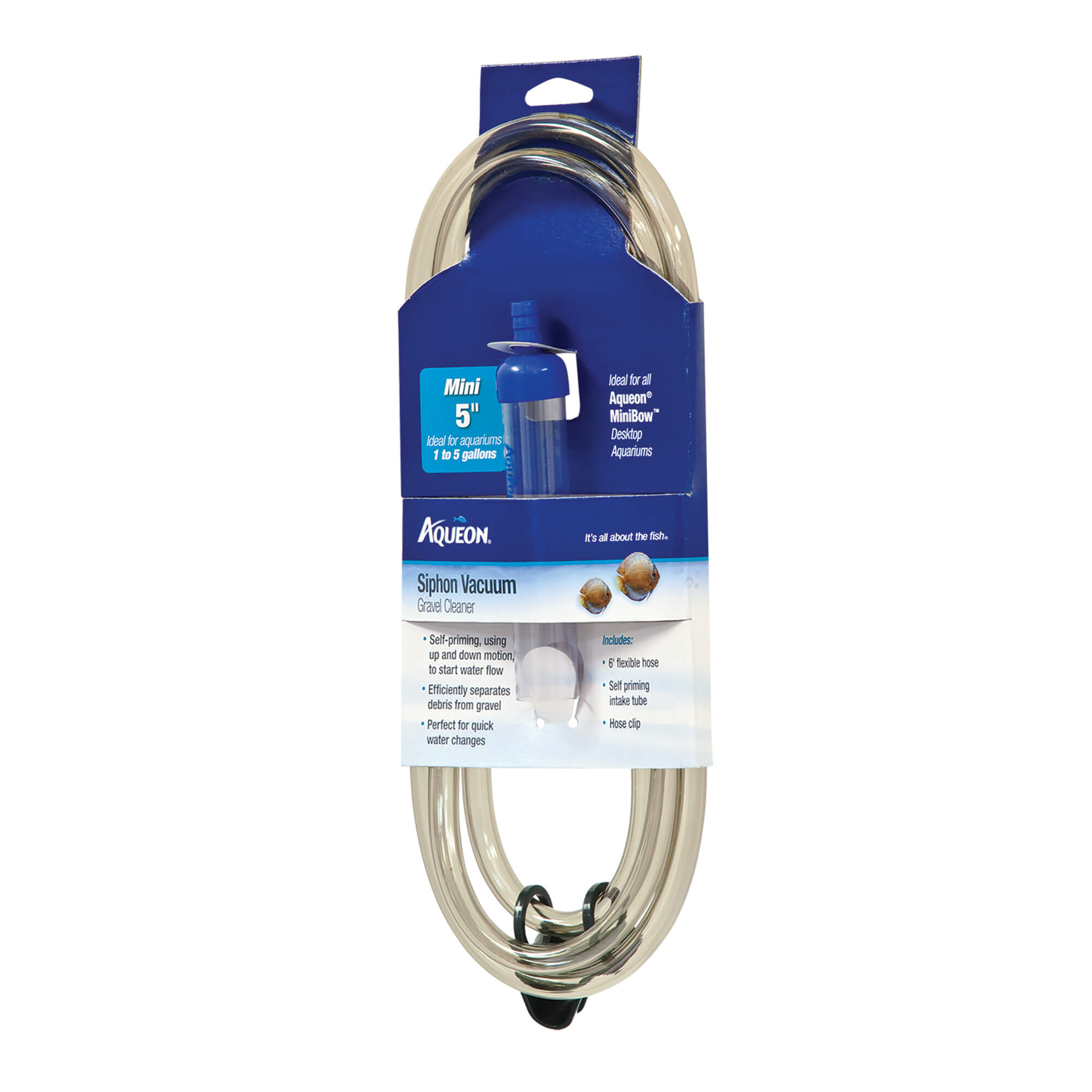
Think of the Flipper as the heavy-duty partner to a daily magnet. For everyday film, a Mag-Float 125 is faster and cheaper; bring the Flipper out for the hard spots. Neither replaces the real work — export nutrients with the Python water changer or an Aqueon gravel vac, and keep an eye on nitrate via the water testing hub. See all cleaning gear on the aquarium maintenance hub and match it to your tank on the aquariums page.
The scraper to reach for when a plain magnet is not enough. The flip-to-blade design clears hard spot algae without wet sleeves — worth it if your tank grows the crusty stuff, skippable if it does not.
Flipper Standard 2-in-1 — frequently asked questions
Do I need this if I already have a Mag-Float?
Only if you get hard algae. A felt magnet like the Mag-Float handles the weekly soft film perfectly; where it slides helplessly over crusty spot algae or coralline, the Flipper's steel blade shears it off. If your glass only ever grows soft green film, the plain magnet is enough — the Flipper earns its price on tanks that get stubborn spots.
Is the blade safe on my tank?
On glass, yes, with care — use the supplied stainless blade and keep grit off it. On acrylic you must switch to the plastic blade, because steel will scratch acrylic instantly. As with any magnet cleaner, keep it away from the substrate line so it cannot pick up a grain of sand, which is what actually causes scratches.
Will a scraper stop algae coming back?
No — scraping is treating the symptom. Algae returns until you fix the cause: keep nitrate down with a weekly 25–30% water change, run the lights only 6–8 hours a day, and avoid overfeeding. The Flipper keeps the glass clear in the meantime and clears the hard spots the magnet cannot.
Found your model? Buy it at the right price.
UniverTrack tracks the real price of your aquarium gear across several retailers, spots fake discounts and warns you when it's genuinely the right moment to buy — with an AI assistant to guide you.
More maintenance we recommend