Koralia Nano 425 GPH Review
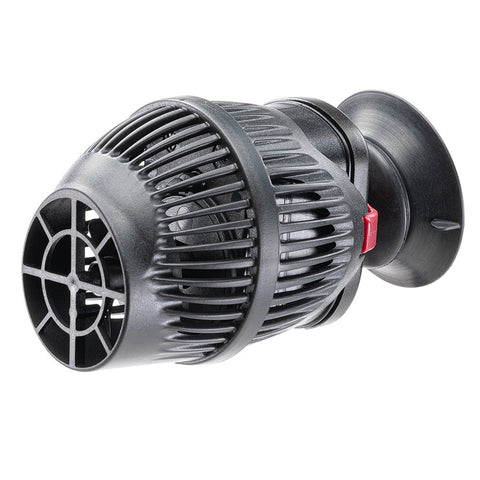
A low-watt, magnet-mount circulation pump that erases the dead spots a filter leaves behind — keeping detritus moving toward the intake and the surface gassing off, for pennies a month.
🌍 You'll be sent to Amazon in your country. Indicative price — live, localised pricing coming soon. As an Amazon Associate we earn from qualifying purchases.
👍 Pros
- Wide, gentle flow stirs the whole tank instead of a narrow jet, clearing stagnant corners
- Magnet-and-suction mount repositions in seconds through glass up to ~10 mm
- Low 4 W draw for 1600 L/h — cheap to run around the clock
- Keeps the surface moving for oxygen exchange and pushes waste toward the filter
👎 Cons
- Not adjustable on its own — you size the model to the tank rather than dial it down
- The magnet mount is strong but heavy; on thin nano glass it can be a squeeze
- Needs an occasional pull-and-rinse or the propeller cage clogs and slows
The fix for the corner your filter forgets
Even a well-sized filter leaves dead spots — the low-flow pockets behind rocks and in far corners where detritus settles, oxygen drops and, in planted tanks, nutrients never quite reach. The Hydor Koralia Nano is the small, cheap pump that fixes them. Instead of a narrow jet it pushes a broad, diffused flow that stirs the whole tank, so waste stays suspended long enough to be caught by the filter and the surface keeps rippling for gas exchange.
Sizing and mounting
This is the 425 GPH (1600 L/h) model, which suits roughly a 100–180 L freshwater tank; Hydor makes a gentler 240 GPH Nano for smaller tanks and larger Koralias for big ones. Because it is not self-adjustable, you choose the model rather than dial the flow. The magnet-and-suction mount grips through glass up to about 10 mm and repositions in seconds — handy for aiming flow at a stubborn dead spot. Give the propeller cage a rinse now and then so it does not clog and slow.
Where it fits in a healthy tank
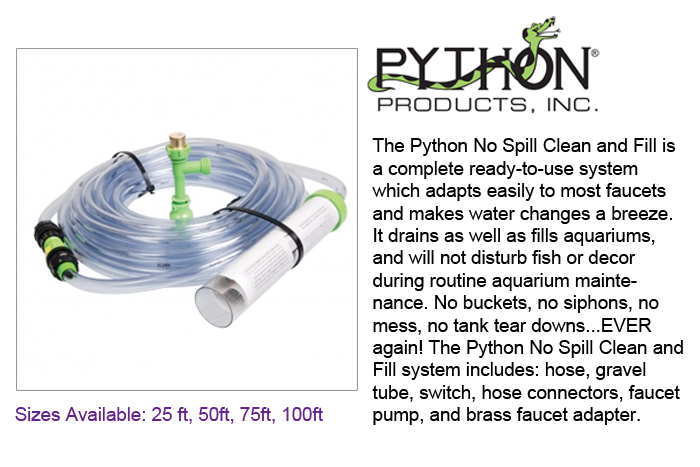
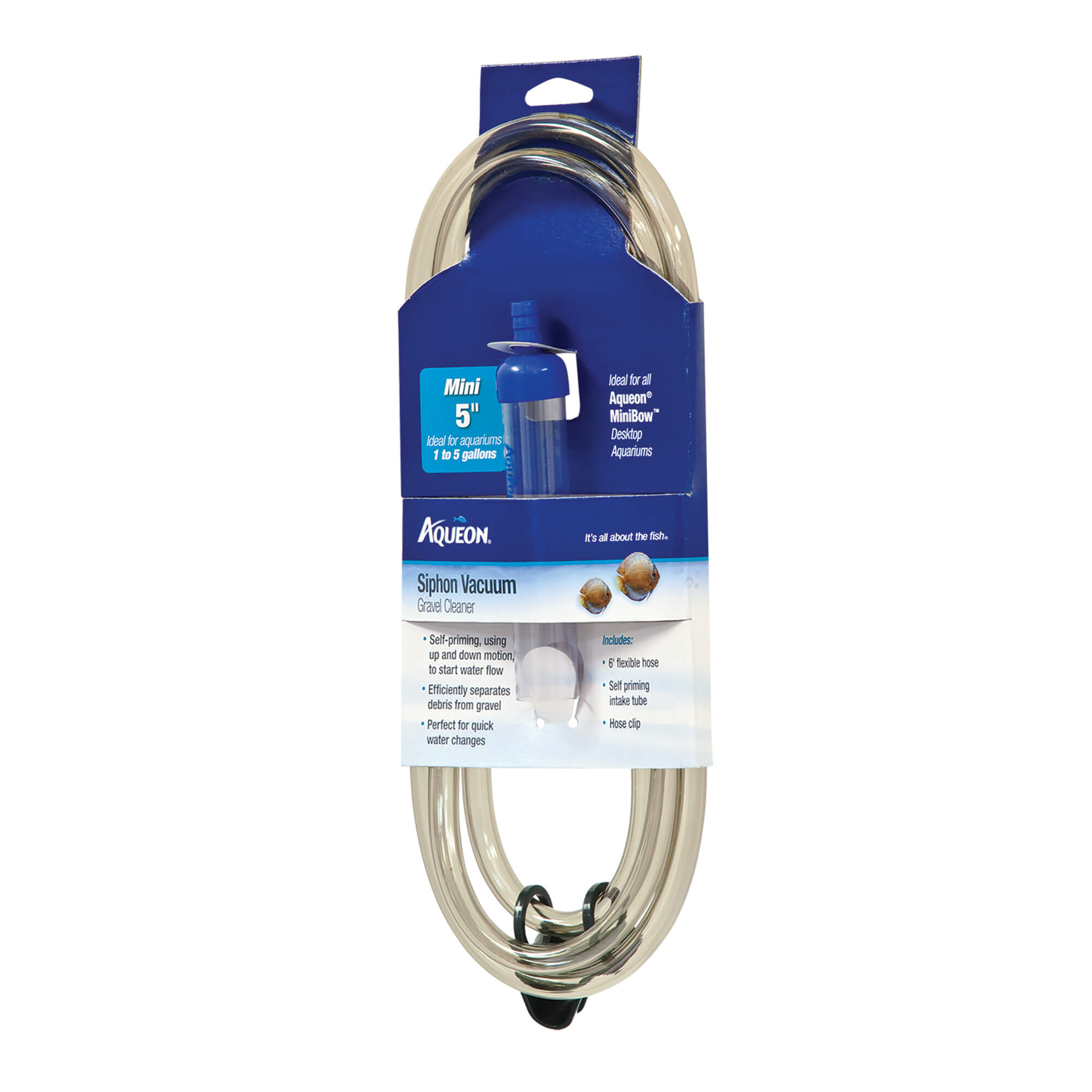
Circulation is a supporting player: it keeps detritus moving toward the filter and spreads CO2 and ferts in a planted tank, but it does not replace the fundamentals. Export nutrients with the Python water changer or an Aqueon gravel vac, and watch nitrate on the water testing hub. See the rest of the gear on the aquarium maintenance hub, match your filtration on the filters hub, and size it all to your tank on the aquariums page.
A cheap, low-watt way to erase the stagnant corners a filter leaves behind. Size the model to your tank and it keeps waste moving toward the filter and the surface gassing off — quietly, for pennies a month.
Koralia Nano 425 GPH — frequently asked questions
Why add a circulation pump if I already have a filter?
A filter pulls water through media but often leaves dead spots where detritus settles and where oxygen is low. A circulation pump like the Koralia stirs the whole tank so waste stays suspended long enough to reach the filter intake, and the moving surface improves gas exchange. It is water movement, not extra filtration — the two work together.
How much flow do I want?
For a general community tank, aim so the combined turnover (filter plus pump) gently moves the whole water column without blasting the fish or plants around. The 425 GPH / 1600 L/h Nano suits roughly a 100–180 L freshwater tank; step down to the 240 GPH model for a nano and up to a larger Koralia for bigger tanks.
Does more flow reduce algae?
Indirectly. Good circulation stops detritus settling into pockets that rot into nitrate, and it spreads CO2 and nutrients evenly in a planted tank, which helps plants outcompete algae. But it is a supporting act — the real levers are still weekly water changes, a controlled photoperiod and careful feeding.
Found your model? Buy it at the right price.
UniverTrack tracks the real price of your aquarium gear across several retailers, spots fake discounts and warns you when it's genuinely the right moment to buy — with an AI assistant to guide you.
More maintenance we recommend