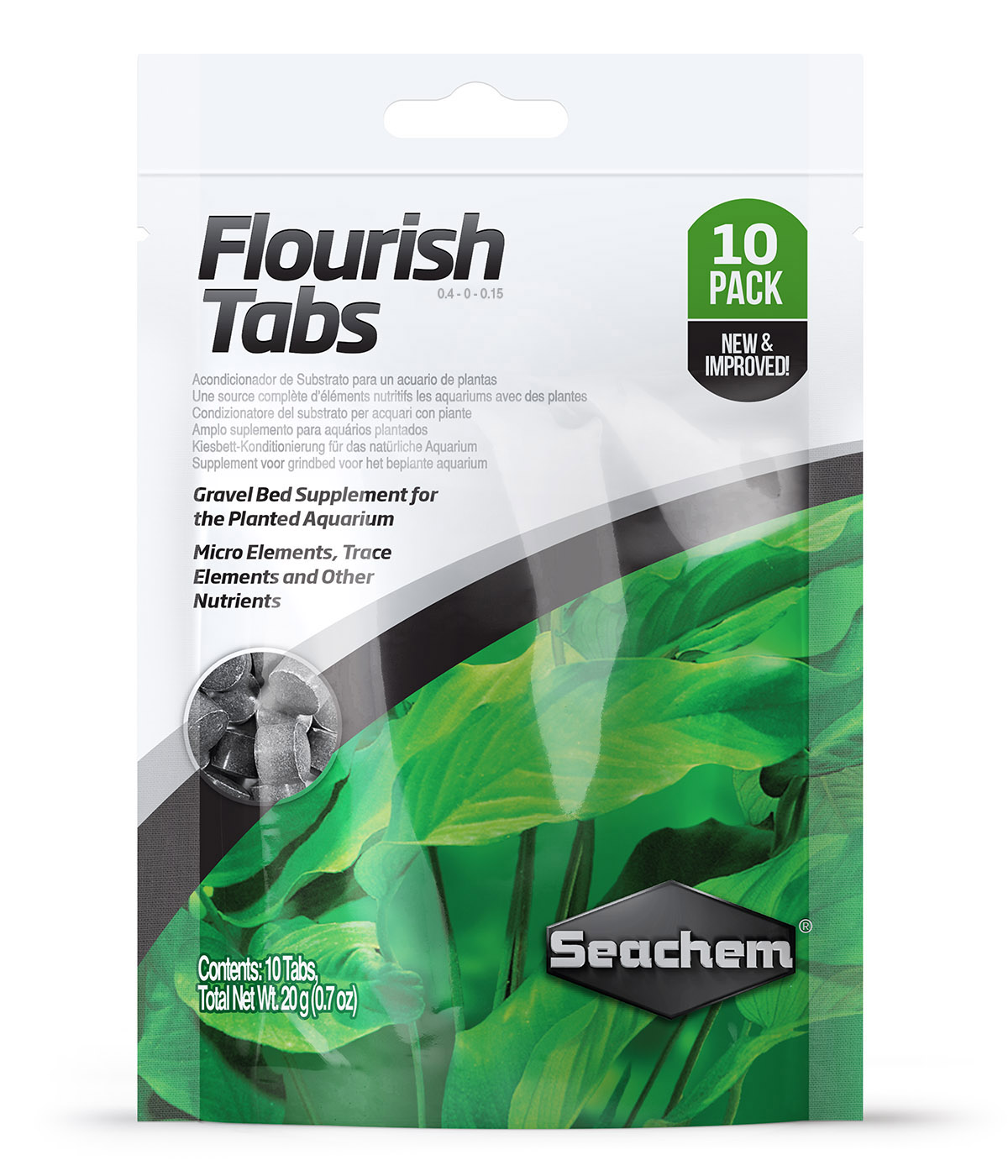
Seachem Flourish Tabs Review
Gravel-planted root tablets that feed hungry root-feeders directly at the source. The perfect partner to a water-column liquid for swords, crypts and other heavy feeders.
🌍 You'll be sent to Amazon in your country. Indicative price — live, localised pricing coming soon. As an Amazon Associate we earn from qualifying purchases.
👍 Pros
- Feeds root-feeders directly at the roots, where they take up most nutrients
- Turns inert gravel or sand into a productive substrate for hungry plants
- 40-cap tub lasts a long time; you only re-dose every few months
- Contains iron and micros in a slow-release, root-targeted form
👎 Cons
- Only helps plants that feed through their roots — not stems or epiphytes
- Pushing tabs into planted gravel can briefly cloud the water
Why root tabs exist
Not every plant eats the same way. Stems, mosses and epiphytes pull nutrients from the water, but heavy root-feeders — Amazon swords, larger crypts, some lilies — take up most of what they need through their roots. Seachem Flourish Tabs are made for exactly those plants: slow-release capsules of iron and micronutrients you push into the substrate right where the roots can reach them. In inert gravel or sand that carries no nutrients of its own, a tab turns dead substrate into a feeding station.
Using them well
Dosing is refreshingly low-effort. Push a tab into the substrate near the base of each big root-feeder, roughly every 10–15 cm across a planted area, and top up every three to four months as they release. Pressing them into already-planted gravel can stir up a brief cloud, so do it slowly. The one thing to remember: tabs only help root-feeders — everything growing in the water column still needs a liquid. Add root tabs in addition to your all-in-one, not instead of it.
How it fits with our other picks
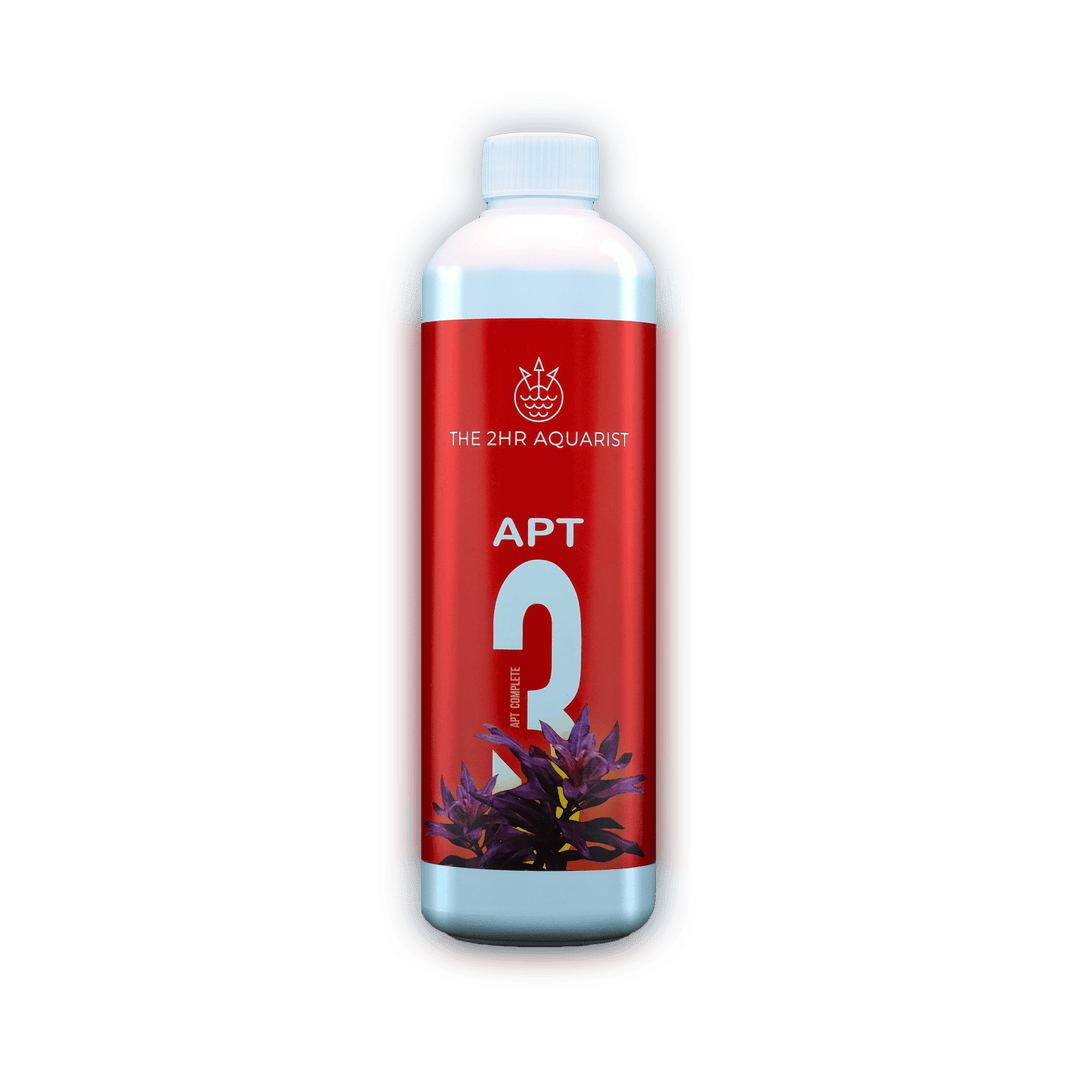
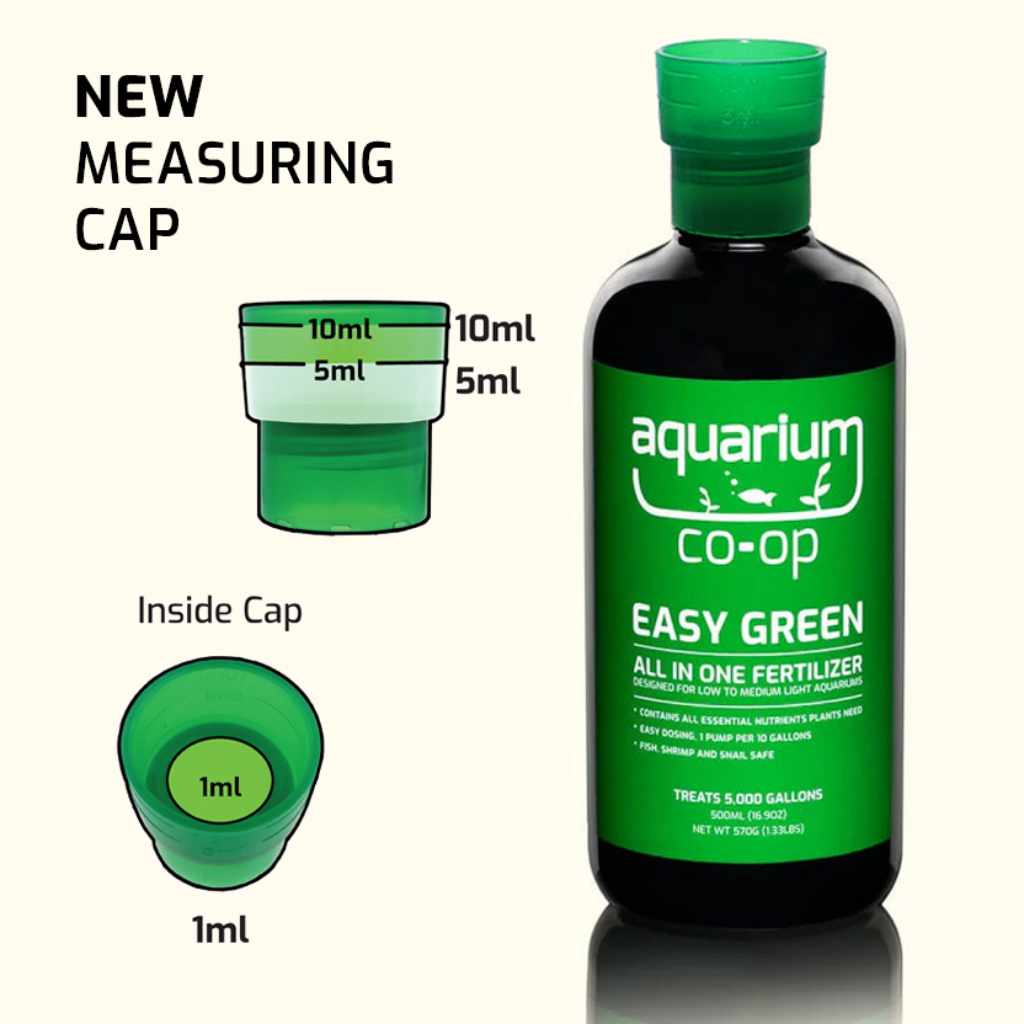
Pair the tabs with a water-column liquid such as Aquarium Co-Op Easy Green or the premium APT Complete and you have both halves of plant feeding covered. Compare everything on our plant fertilizers hub, and choose the right foundation on our substrate hub.
The go-to root tabs for feeding heavy root-feeders. Slip them into inert gravel or sand alongside a water-column liquid and swords and crypts stop starving.
Seachem Flourish Tabs — frequently asked questions
All-in-one liquid or root tabs — which do I need?
Often both, because they feed different plants. An all-in-one liquid feeds the water column, which suits stem plants, mosses and epiphytes like Anubias and Java fern. Root tabs feed the substrate, which is what heavy root-feeders such as Amazon swords and larger crypts want. The simplest reliable routine for a mixed planted tank is a liquid dosed a few times a week plus a root tab pushed in near each big root-feeder.
How often do I replace the tabs?
They are slow-release, so you re-dose roughly every three to four months, or when a root-feeder starts to look pale or slows down. Push a fresh tab into the substrate near the plant's base, about 10–15 cm apart across a planted area. There is no need to remove old spent tabs — they simply break down into the substrate.
Do I still need liquid fertiliser if I use root tabs?
Usually yes. Root tabs only reach plants that feed through their roots; anything growing in the water column — stems, floating plants, mosses, epiphytes tied to wood or rock — is fed by liquid fertiliser instead. Tabs and a liquid all-in-one are complementary, not alternatives, in most planted tanks.
Found your model? Buy it at the right price.
UniverTrack tracks the real price of your aquarium gear across several retailers, spots fake discounts and warns you when it's genuinely the right moment to buy — with an AI assistant to guide you.
More fertilizers we recommend