CaribSea Super Naturals Peace River Gravel Review
A smooth, riverbed-look natural gravel that is pH-neutral, dye-free and permanent — the simple, hard-wearing floor for a fish or community tank when you want a classic gravel over sand or soil.
🌍 You'll be sent to Amazon in your country. Indicative price — live, localised pricing coming soon. As an Amazon Associate we earn from qualifying purchases.
👍 Pros
- Smooth, rounded river-style grain looks natural and is safe for fish
- Fully inert and pH-neutral with no paints or dyes
- Coarser than sand, so it does not compact and is easy to gravel-vacuum
- Permanent and inexpensive — never breaks down or needs replacing
👎 Cons
- No nutrients, so plants need root tabs and liquid ferts to thrive
- Larger grain lets uneaten food and waste settle down into it
- Not as soft as sand for barbel-dragging bottom-dwellers
The classic gravel, done right
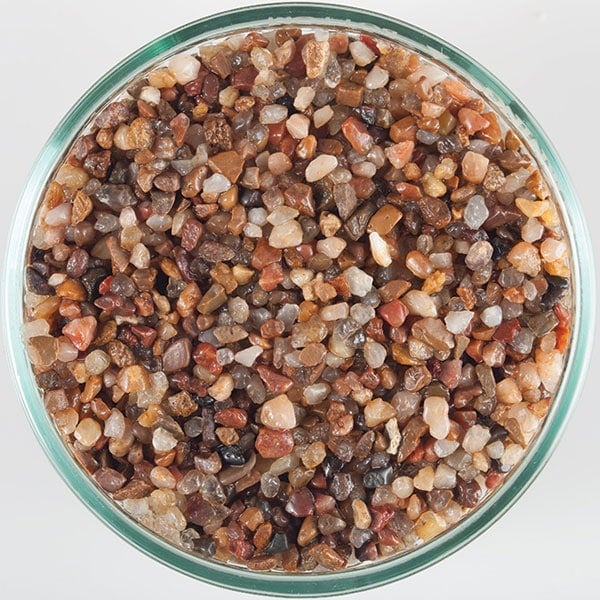
Before soils and sands took over the hobby, gravel was the default aquarium floor — and for a fish or community tank it still makes sense. CaribSea Super Naturals Peace River is a smooth, rounded, riverbed-style gravel that looks natural rather than the garish dyed stuff on many shop shelves. It is fully inert and pH-neutral, made with no paints or dyes, so it is safe for any freshwater tank and leaves your water chemistry alone.
Its coarser grain is its main practical advantage over sand: it does not compact or trap gas, and a gravel vacuum pulls waste out of it easily during water changes.
Plants in gravel
Like all inert substrates, Peace River brings no nutrients of its own. That is fine for a fish-first tank, and you can still keep plants: bury root tabs near heavy root-feeders and dose a liquid fertiliser for the water column, or lean on hardy attach-to-hardscape plants like anubias and java fern. The one thing to watch is that its larger grain lets uneaten food settle down into it, so stay on top of feeding and vacuuming.
How it compares
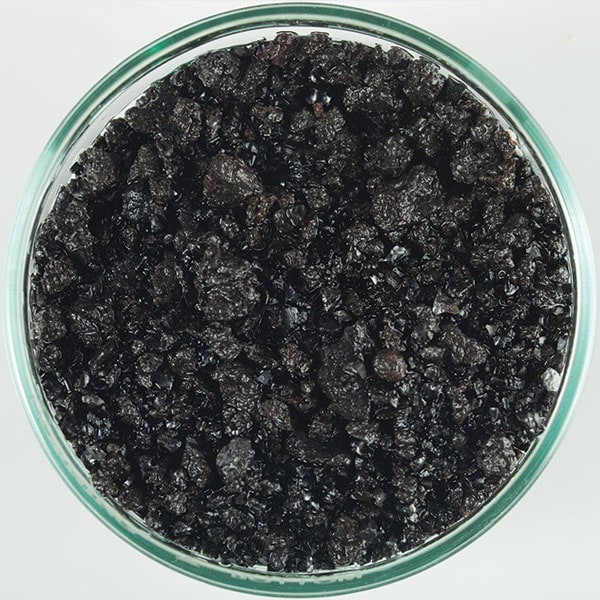
If you want a softer floor for corydoras or shrimp, the finer CaribSea Super Naturals sand is gentler. If plants are really the goal, skip gravel for an active Fluval Stratum or the permanent, mineral-rich CaribSea Eco-Complete. The full line-up is on the aquarium substrate hub, and you can size a tank to match on the aquariums page.
The classic, no-drama gravel: natural-looking, pH-neutral and permanent. It will not feed plants like a soil, but for a fish or community tank it is a hard-wearing, easy-to-clean floor that never needs replacing.
CaribSea Super Naturals Peace River Gravel — frequently asked questions
Is inert gravel or an active soil better for me?
For a fish or community tank where plants are a bonus, inert gravel like Peace River is cheaper, permanent and the easiest of all substrates to keep clean. An active soil only pays off when plants are the focus, because it feeds roots and softens water — jobs gravel does not do. Many keepers run gravel and simply add root tabs for the odd rooted plant.
Do I need to cap gravel or add anything under it?
No. Gravel is a complete top-layer substrate — nothing goes over it and nothing is required beneath it. Rinse it to clear packing dust and lay it about 3–5 cm deep. If you later want heavy plants, push root tabs into the gravel near them rather than rebuilding with a base layer.
Will it wear out or need re-mineralising?
Never. Unlike an active soil that loses its charge in a year or two, inert gravel does not decompose and has nothing to re-mineralise — it lasts the life of the tank. The only upkeep is vacuuming waste out of it during water changes, which its coarse grain makes easy.
Found your model? Buy it at the right price.
UniverTrack tracks the real price of your aquarium gear across several retailers, spots fake discounts and warns you when it's genuinely the right moment to buy — with an AI assistant to guide you.
More substrate we recommend