CaribSea Super Naturals Torpedo Beach Sand Review
A clean, pH-neutral natural sand with no paints or dyes — the low-cost, permanent base for corydoras, loaches and shrimp tanks where you want a soft floor and a natural look rather than plant feeding.
🌍 You'll be sent to Amazon in your country. Indicative price — live, localised pricing coming soon. As an Amazon Associate we earn from qualifying purchases.
👍 Pros
- Soft, rounded grain is gentle on the barbels of corydoras and burrowing fish
- Fully inert and pH-neutral with no paints or dyes — safe for any freshwater tank
- Natural sandy colour looks far more convincing than dyed gravels
- Permanent and cheap — it never breaks down or needs replacing
👎 Cons
- No nutrients, so heavy root-feeders need root tabs pushed under them
- Fine grain can compact and trap gas pockets if it is never stirred
- Light sand kicks up in the flow from a strong filter or when you vacuum
When sand is the right answer
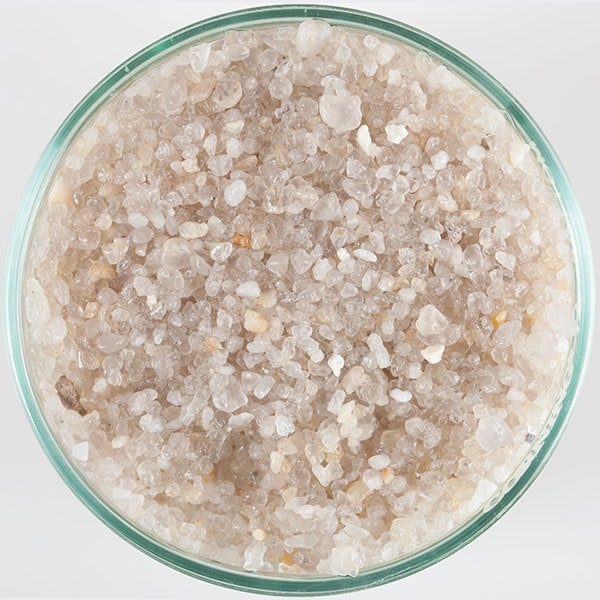
Not every tank wants an active soil. If your priority is fish — especially bottom-dwellers like corydoras, loaches and kuhli loaches — or a colony of shrimp, a soft inert sand is often the better base, and CaribSea Super Naturals Torpedo Beach is one of the cleanest, most natural-looking options. It is fully inert and pH-neutral, made with no paints or dyes, so it is safe for any freshwater setup and will not shift your water chemistry. The rounded, sandy grain is gentle on delicate barbels that a sharp gravel would wear down.
Because it is inert it is also permanent — it never decomposes and never needs the one-to-two-year refresh an active soil does.
Growing plants in it
Sand carries no nutrients, so it is not the choice for a demanding aquascape. But you are not locked out of plants: bury root tabs near heavy root-feeders like swords and crypts, dose a liquid fertiliser for the water column, and let low-demand plants such as anubias and java fern attach to wood and stone instead of rooting. Keep the bed shallow — around 2–3 cm — and give it an occasional gentle stir so it does not compact.
How it compares
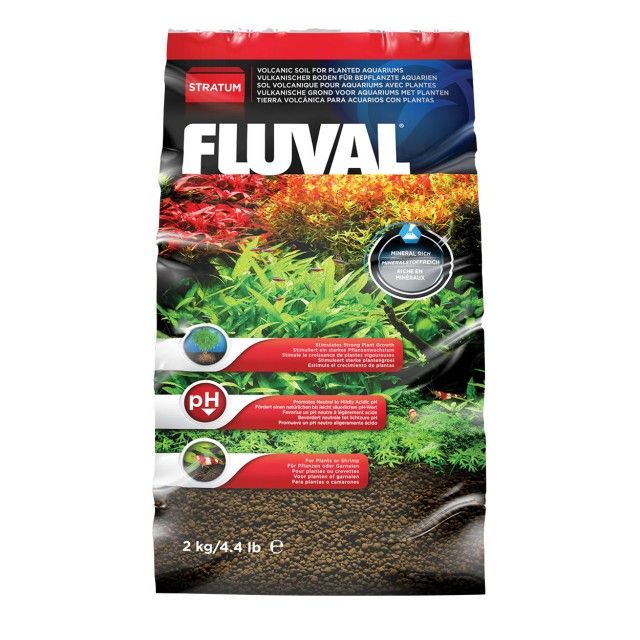
If plants are the main event, skip sand and start with an active Fluval Stratum or, for a more permanent planted base, CaribSea Eco-Complete. Prefer a slightly larger natural grain that resists compacting? See CaribSea Peace River gravel. The full range is on the aquarium substrate hub, and you can match a tank to it on the aquariums page.
The go-to inert sand for a fish or shrimp tank: soft, natural, permanent and cheap. It will not feed plants on its own, but paired with root tabs it is a handsome, low-fuss floor.
CaribSea Super Naturals Torpedo Beach Sand — frequently asked questions
Sand or active soil — which should I choose?
It depends on the tank. If plants are the point, an active soil feeds roots and softens water; sand does neither. But for a fish-first or shrimp tank, inert sand is cheaper, permanent and easier to keep clean, and species like corydoras genuinely need a soft substrate. You can still grow plants in it by adding root tabs.
Can I grow plants in inert sand?
Yes, with help. Sand has no nutrients of its own, so heavy root-feeders such as swords and crypts want root tabs buried near them, and water-column feeders want a liquid fertiliser. Low-demand plants like anubias and java fern do not care — they attach to hardscape rather than root in the substrate anyway.
Do I need to rinse it and how deep should it go?
Give it a rinse to clear the finest dust, then add it about 2–3 cm deep for a fish tank. Keep sand beds shallow, or stir them gently during water changes, so they do not compact and trap pockets of gas. No cap is needed — sand is the top layer.
Found your model? Buy it at the right price.
UniverTrack tracks the real price of your aquarium gear across several retailers, spots fake discounts and warns you when it's genuinely the right moment to buy — with an AI assistant to guide you.
More substrate we recommend